Cold lunch ideas for kids are useful far beyond summer. They solve school days without a microwave, field trips, sports afternoons, picnics, and mornings when there is no time to heat a thermos. This guide gives you 15 practical cold lunches with starting quantities, simple swaps, a five-day plan, a consolidated grocery list, make-ahead instructions, and official food-safety guidance.
The goal is a lunch a child can open, recognize, and eat in the time available. These are packing amounts for one school-age child—not a prescribed amount to finish. Adjust to appetite, age, school rules, allergies, and how much time your child actually has. For younger students, also see our lunch ideas for kindergarteners.
Quick answer: the easiest cold-lunch formula
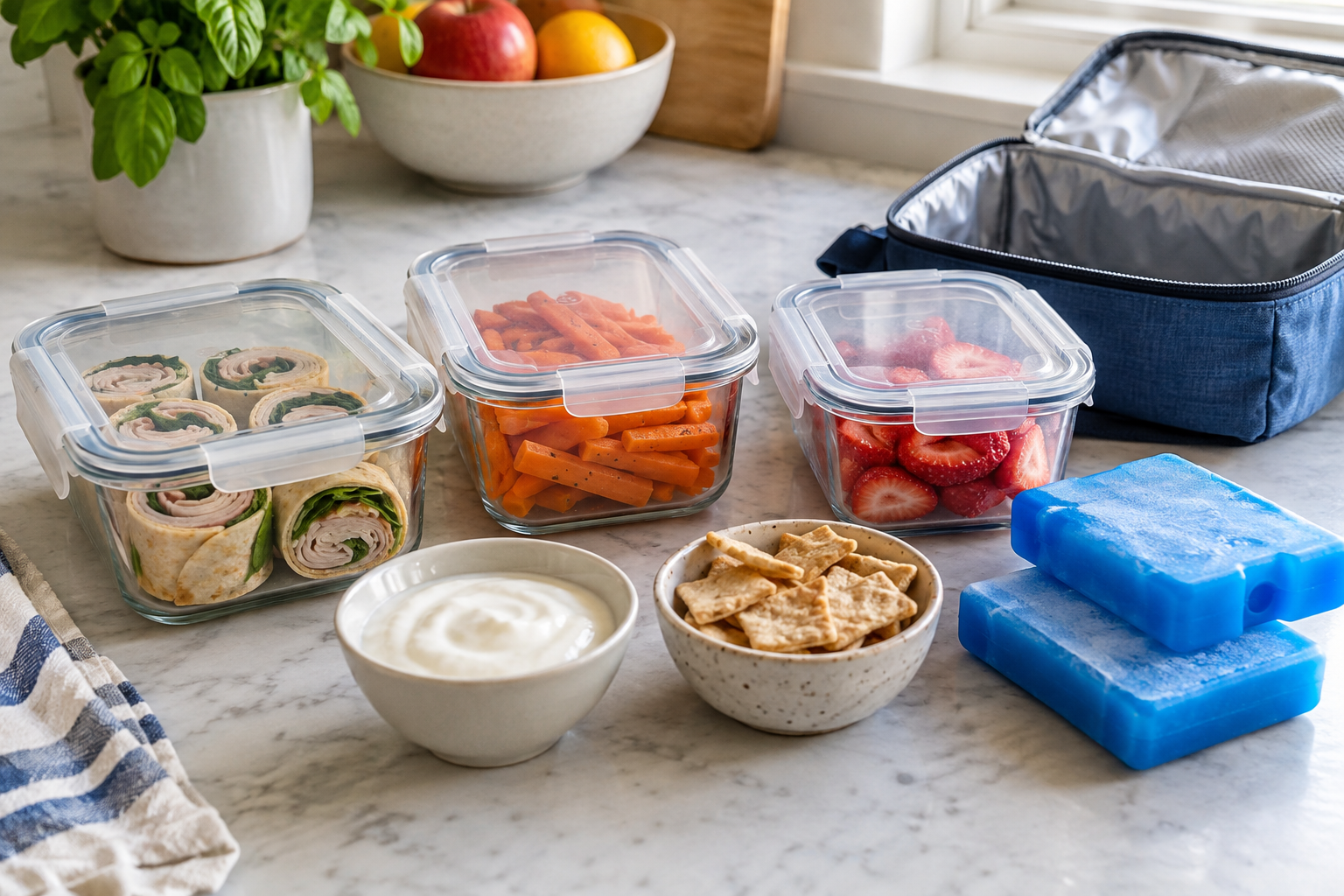
Pack one main, one fruit or vegetable, one second produce or familiar side, and one optional extra. A typical starting point is ½–1 cup of the main, ½ cup fruit, ¼–½ cup vegetables, and a small yogurt, cheese portion, dip, or crunchy item. Keep wet foods away from bread and crackers, cool cooked components before sealing, and protect perishables with an insulated bag and at least two cold sources.
Contents
- Choose a lunch by today’s constraint
- How to build a cold lunch kids can manage
- 15 cold lunch ideas for kids
- Five-day cold-lunch plan
- Consolidated grocery list
- Make-ahead and packing routine
- Cold-lunch food safety
- Troubleshooting uneaten lunches
- Frequently asked questions
Choose a lunch by today’s constraint
- Five minutes: cracker stacker box, turkey-and-cheese roll-ups, yogurt breakfast box, or pantry lunch.
- No sandwich: cold pasta, hummus pita, rice-and-bean bowl, snack box, or waffle lunch.
- Vegetarian: chickpea mash, hummus, bean-and-cheese pinwheels, pasta with chickpeas, or yogurt and seed-butter options.
- Nut-free classroom: choose cheese, yogurt, beans, hummus, egg, poultry, or sunflower-seed butter only if the school permits seeds.
- Food cannot touch: use a divided box and a mini leakproof cup for dips.
- Very short lunch period: cut the main into manageable pieces, loosen lids at home, and avoid multiple wrappers.
- Your child dislikes cold leftovers: choose foods commonly served cold—sandwiches, pasta salad, crackers, yogurt, fruit, and pinwheels.
How to build a cold lunch kids can manage
Start with an accepted anchor
Choose one dependable item your child usually eats: a particular bread, plain pasta, crackers, tortilla, yogurt, cheese, fruit, or rice. The anchor keeps lunch usable even when another component feels unfamiliar. It is not a reward and does not have to be eaten last.
Add protein or satisfying fat
Options include chicken, turkey, egg, beans, hummus, yogurt, cheese, avocado, or a school-approved seed butter. Use one or two rather than crowding the box. If your child eats a narrow range, small predictable portions can be easier than a large serving.
Control moisture
Cool cooked foods completely in the refrigerator before packing. Pat fruit and vegetables dry. Put cheese, lettuce, or seed butter next to bread as a moisture barrier, and send tomato, pickles, salsa, or dressing in a separate cup. Keep crackers and granola away from juicy foods.
Practice the equipment
At home, ask your child to open the lunchbox, food containers, yogurt, and water bottle. Replace difficult lids, peel oranges, start stubborn wrappers, and include a fork only if the child can use it quickly. A well-designed lunch is one the child can access independently.
15 cold lunch ideas for kids
1. Turkey, cheese, and cucumber sandwich box
Pack: one small sandwich made with 2 slices bread, 2 ounces turkey, and 1 ounce cheese; ¼–½ cup cucumber; and ½ cup berries or apple slices. Add mustard or mayonnaise only if your child likes it and the lunch stays cold.
Swap: use chicken, cheese alone, mashed beans, or hummus. Put cucumber beside the sandwich to keep the bread dry. Cut into fingers or quarters if that makes the lunch easier to finish.
2. Chicken ranch wrap
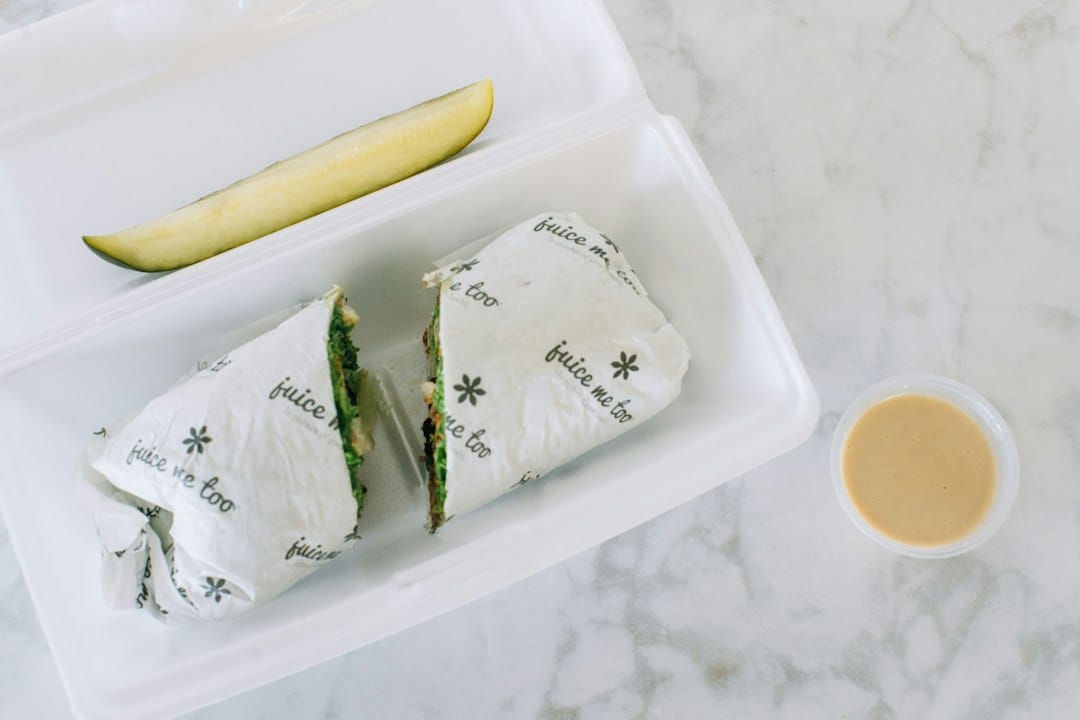
Pack: spread 1 tablespoon ranch or yogurt-based dressing over a small tortilla, add ½ cup cooked chicken and shredded lettuce, roll tightly, and slice in half. Add orange segments and snap peas or another accepted vegetable.
For a child who dislikes mixed fillings, send tortilla wedges, chicken strips, lettuce, and dip separately. Use chicken cooked within the safe leftover window and keep it cold.
3. Cold pasta and chicken
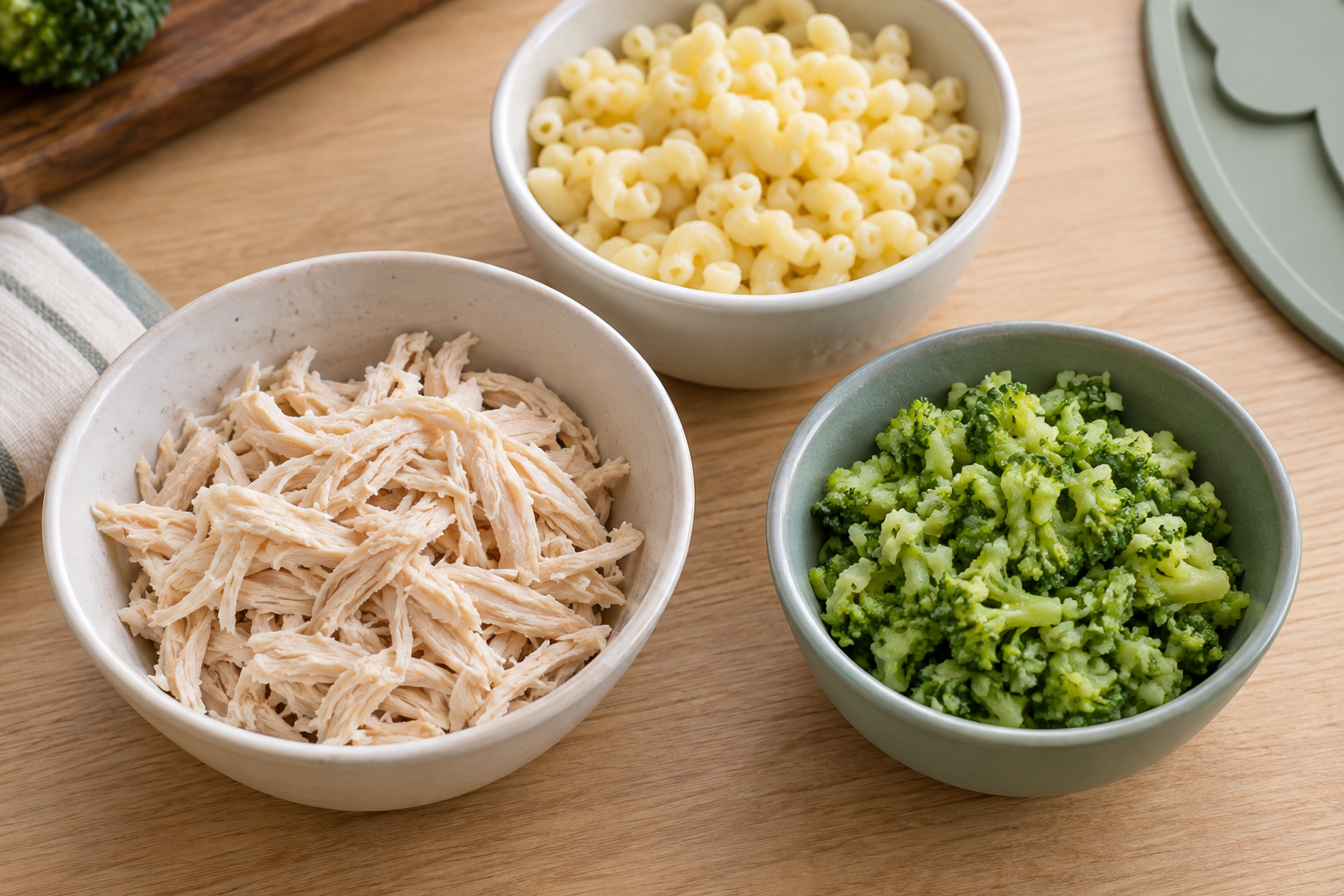
Pack: ¾–1 cup cooked short pasta tossed with 1 teaspoon olive oil or familiar dressing, ¼ cup diced chicken, ¼ cup peas or cucumber, and fruit. Keep vegetables and protein beside the pasta when mixed textures are difficult.
Rotini, shells, and bow ties are easy to spear. Trial the pasta cold at home before sending it to school; temperature changes can matter as much as flavor.
4. Cracker stacker lunch
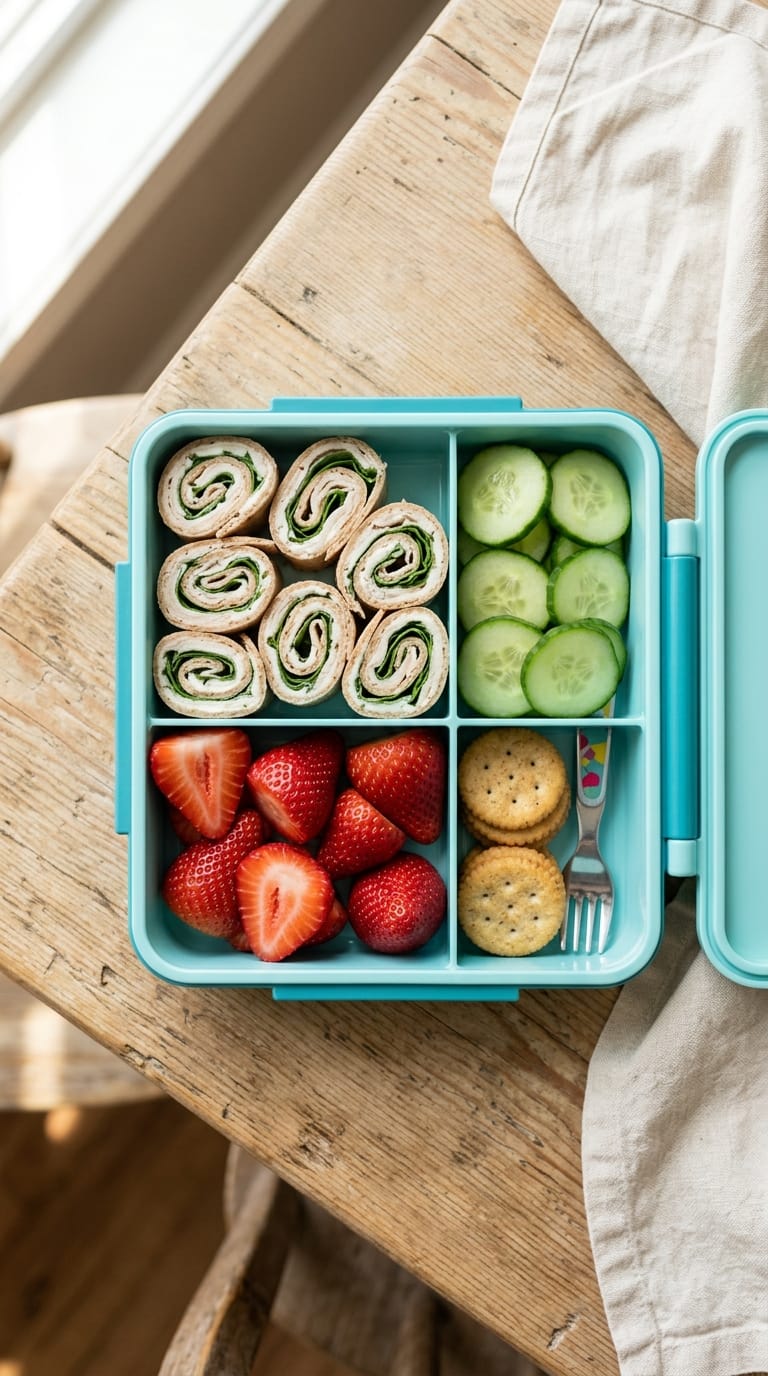
Pack: 8–12 crackers, 2 ounces sliced turkey or chicken, 1 ounce cheese squares, ½ cup fruit, and ¼ cup cucumber. The child can stack the pieces or eat them separately.
Choose crackers sturdy enough to stay crisp. For younger children, modify round, firm foods appropriately and review the CDC choking-hazard guidance.
5. Hummus pita box
Pack: ¼ cup hummus in a leakproof cup, one small pita cut into wedges, ½ cup fruit, and ¼–½ cup thin cucumber or soft roasted vegetables. Add cheese or chicken if desired.
Check sesame allergies and school policy because hummus often contains tahini. If hummus is new, send one teaspoon beside a familiar dip instead of relying on it as the entire main.
6. Bean-and-cheese pinwheels
Pack: spread a small tortilla with ¼ cup mashed black beans and ¼ cup grated cheese, roll, chill, and slice into pinwheels. Add corn, avocado in a sealed cup, and grapes cut appropriately or another fruit.
A plain cheese pinwheel can remain the familiar component. If the tortilla becomes damp, pack bean dip, cheese, and tortilla strips separately.
7. Chickpea salad sandwich
Make: mash ½ cup rinsed chickpeas with 1 tablespoon plain yogurt or mayonnaise, a squeeze of lemon, and a pinch of mild seasoning. Spread over bread or pack with crackers. Add fruit and carrots cooked or cut to the child’s abilities.
For less texture, mash very smoothly. For more crunch, add finely diced cucumber only to the portion of family members who enjoy it.
8. Egg-and-bagel box
Pack: one fully cooked egg sliced or mashed, half a mini bagel, 1 tablespoon cream cheese, ½ cup fruit, and a few cucumber slices. Keep everything cold.
If the child dislikes visible egg white, mash the egg with a small amount of mayonnaise and send it in a separate cup. Egg must be fully cooked and handled as a perishable food.
9. Yogurt breakfast lunch
Pack: ¾ cup yogurt, ¼ cup dry cereal or granola, ½ cup chopped fruit, and a mini muffin or waffle strips. Keep the crunchy ingredient separate until lunchtime.
Use the yogurt your child already accepts. Plant-based alternatives vary in protein and fortification, so compare labels and add another accepted protein source if needed.
10. Cold chicken quesadilla
Pack: melt ⅓ cup cheese and ¼ cup finely diced chicken between two small tortillas. Let steam escape briefly, cut into wedges, then refrigerate promptly in a shallow container. Chill thoroughly before packing; do not leave it on a rack until completely cold. Add mild salsa in a sealed cup, corn, and fruit.
Cooling before packing limits condensation. A plain cheese wedge can be packed beside the chicken version for children who are still learning the mixed texture.
Want two weeks of meal decisions handled?
Use a flexible two-week framework with familiar-food options, practical planning, and calmer routines for selective eaters.
11. Rice, bean, and corn bowl
Pack: ¾ cup cooked rice, ¼ cup rinsed black beans, ¼ cup corn, and 2 tablespoons grated cheese. Chill the cooked rice promptly before packing. Send avocado or mild salsa separately.
If the child does not like the ingredients mixed, place them in separate compartments. Rice is perishable after cooking and requires the same cold-source protection as meat, eggs, or dairy.
12. Tuna cracker box
Pack: mix 2 ounces drained canned light tuna for a child aged 4–7, or an age-appropriate amount with 1 tablespoon mayonnaise or yogurt, place it in a leakproof cup, and add 8–10 crackers, ½ cup fruit, and cucumber. Confirm the school permits fish and that your child accepts the smell and texture in a group setting.
Canned light tuna, including skipjack, is an FDA/EPA “Best Choice.” The FDA/EPA fish guide recommends varied lower-mercury choices and age-appropriate portions; tuna should not be the everyday default. Follow individual medical advice when applicable.
13. Waffle sandwich
Pack: spread 1 tablespoon school-approved seed butter or cream cheese between two small waffles, cool if toasted, and cut into strips. Add banana or berries and a yogurt tube.
If seed butter is not allowed, use cream cheese, ricotta, or serve waffle strips with yogurt for dipping. A tiny container prevents the waffle from becoming soggy.
14. Mediterranean snack box
Pack: one small pita, ¼ cup hummus, 1 ounce cheese, ¼ cup cucumber, ¼ cup tomatoes cut appropriately, and ½ cup melon or berries. Olives are salty and can be a choking hazard when whole, so omit them or prepare safely for the child.
Keep the learning food to one small piece if several components are unfamiliar. The lunch should still contain enough accepted foods to be workable.
15. Emergency pantry lunch
Keep available: whole-grain crackers, an easy-open chicken or tuna pouch if permitted, an unsweetened fruit cup, applesauce, and shelf-stable milk or a permitted alternative. Add fresh produce if available.
For a lunch without ice, select only products specifically labeled shelf-stable, keep their seals intact until eating, and use whole fruit rather than refrigerated cut fruit. Once opened, follow the label and discard leftover perishables. Check expiration dates, package-opening difficulty, and school disposal rules. This is a practical backup for chaotic mornings, not a promise that every category will be perfect.
Five-day cold-lunch plan
Monday: turkey sandwich box
For one child, pack 2 slices bread with 2 ounces turkey and 1 ounce cheese, ¼ cup cucumber, ½ cup berries, and ½ cup yogurt. Keep tomato or pickles separate. Prepare the sandwich the night before only if your bread holds well.
Tuesday: cold pasta lunch
Pack ¾ cup cooked pasta, ¼ cup cooked diced chicken, ¼ cup cooked peas, and ½ cup orange segments. Pasta and chicken cooked Sunday can be used Tuesday if promptly chilled and continuously refrigerated. Add dressing in a mini cup so your child controls the texture.
Wednesday: hummus pita box
Pack 1 small pita cut into wedges, ¼ cup hummus, 1 ounce cheese, ¼ cup cucumber, and ½ cup applesauce. If Wednesday is a long school day, add an extra cracker portion or larger pita.
Thursday: cracker stacker
Pack 10 crackers, 2 ounces turkey, 1 ounce cheese, ½ cup berries, and ¼ cup cucumber. Use turkey within 3–5 days of opening, following any shorter package instructions; freeze Thursday’s portion early if needed and thaw it in the refrigerator. This is a good choice for a short lunch period because everything is ready to pick up.
Friday: waffle breakfast lunch
Pack 2 small waffles cut into strips, ½ cup yogurt for dipping, ½ cup berries, and 1 hard-cooked egg. A 1-ounce cheese stick can replace the egg; add it to the shopping quantities if you choose that swap. The format changes the week without requiring a complicated new recipe.
Consolidated grocery list for the five lunches
Bread and grains
- 2 slices sandwich bread
- ¾ cup cooked short pasta (about 1½–2 ounces dry, depending on shape)
- 1 small pita
- 10 sturdy crackers, plus optional extras for appetite
- 2 small waffles
Protein and dairy
- 4 ounces sliced turkey
- ¼ cup cooked diced chicken (about 1–1½ ounces)
- 3 ounces cheese
- ¼ cup hummus
- 1 cup yogurt total
- 1 egg
Produce
- ¾ cup cucumber total
- 1½ cups berries or another accepted fruit
- ½ cup orange segments (about 1 small orange)
- ½ cup applesauce
- ¼ cup cooked peas
- 1 teaspoon olive oil or 1 tablespoon familiar dressing for Tuesday
Packing supplies
- Insulated lunch bag
- At least two frozen cold sources per lunch
- Leakproof mini cups
- Child-manageable fork or spoon
- Reusable napkin and labeled water bottle
These are the amounts used by the five lunches above, not full package sizes or targets a child must finish. Multiply by the number of children, adjust for appetite, and buy the smallest practical packages. Freeze surplus bread and waffles. Check your pantry and the food that returns before increasing quantities. Repeating a dependable lunch is a useful strategy, not a failure of variety.
Make-ahead and packing routine
Sunday: prepare components
- Cook Tuesday’s pasta and chicken, then refrigerate promptly in shallow containers; chicken must reach 165°F/74°C during cooking. Use cooked chicken within 3–4 days. Plan a midweek refresh rather than refrigerating five days of cooked lunches at once.
- Wash sturdy produce and dry it thoroughly. Cut only what will maintain quality.
- Hard-cook eggs until fully done, cool, label, and refrigerate.
- Portion crackers, cereal, and other dry foods into containers stored outside the refrigerator.
- Freeze all cold sources and place the lunch containers together.
The night before
- Assemble cold components that will not become soggy.
- Keep bread, crackers, granola, and dressing separate from moist foods.
- Place the lunchbox in the refrigerator if its manufacturer permits, but add frozen sources in the morning.
- Check that lids, utensils, and packages are easy for your child to manage.
Morning
- Add at least two frozen cold sources around perishable foods.
- Pack the water bottle and final crisp items.
- Confirm the lunch is labeled and every container is closed.
- Use neutral language: “Your lunch is packed” creates less pressure than asking for an empty box.
If dinner leftovers make lunch easier, choose portions before serving and refrigerate them promptly. Our kid-friendly dinner ideas are built around components that can be separated for different eaters.
Cold-lunch food safety
Perishable cold foods need to stay at 40°F/4°C or below. The USDA guidance for bag lunches recommends an insulated lunch bag with at least two cold sources for perishable items. Put cold sources above and below the food when possible. Use two frozen gel packs, or one frozen gel pack plus a frozen water bottle; a bottle alone does not meet the two-cold-source recommendation.
Prepare lunch with clean hands and clean surfaces. Keep raw meat away from ready-to-eat foods. Refrigerate cooked foods promptly in shallow containers, within 2 hours (1 hour above 90°F/32°C). Do not wait for a large pot to reach room temperature. If the school offers refrigeration, open the lunch bag inside the refrigerator so cold air can circulate.
The FoodSafety.gov cold-storage chart gives food-specific refrigerator timelines; for example, many cooked or prepared salads are limited to 3–4 days. When in doubt about how long a perishable item was warm, discard it. Do not save returned meat, egg, dairy, cooked rice, or other perishables for the next day when temperature control is uncertain.
Allergy-aware substitutions
- Replace peanut or tree-nut butter with sunflower-seed butter only if seeds are allowed and safe for your child.
- Replace dairy cheese and yogurt with a permitted alternative; compare protein, added sugar, calcium, and vitamin D labels.
- Use certified gluten-free bread, tortillas, crackers, oats, or pasta when medically necessary and prevent cross-contact.
- Replace egg with chicken, beans, hummus, yogurt, cheese, or another school-approved food.
- Remember that hummus often contains sesame and packaged bread may contain allergens.
- Follow the child’s medical plan and the school’s written rules rather than a general online substitution list.
Troubleshooting uneaten cold lunches
The bread is soggy
Pat produce dry, cool fillings, send sauce separately, and use cheese, lettuce, or seed butter as a moisture barrier. Try a roll, tortilla, pita, or crackers if standard bread does not hold.
The lunch is still too cold
Some children dislike food straight from an ice-packed bag. Test foods normally served cold, such as yogurt, sandwiches, or snack boxes, and position cold sources so food stays safe without freezing delicate produce. Do not remove necessary cold protection.
The child has no time
Reduce wrappers and containers, cut the main into ready-to-eat pieces, peel fruit, and choose a hand-held meal. Practice opening the box. Ask the school how many minutes children actually have seated.
The lunch comes home untouched
Ask whether the barrier was time, opening, temperature, smell, texture, appetite, or social distraction. Change one variable at a time. Keep a five-day log of what was packed and what returned without turning dinner into a review of bites.
The child wants the same lunch every day
Keep the main and change one low-stakes detail: the fruit, cracker, shape, dip, or vegetable. Repetition can make school lunch manageable. Variety can happen across the week and at home.
For children with strong preferences, our toddler lunch ideas explain mix-and-match presentation, while easy meals under 30 minutes can help with after-school and dinner planning.
Make lunch planning less repetitive
The 14-Day Picky Eater Meal Plan gives you a ready-made structure while leaving room for familiar foods, allergies, and family preferences.
Frequently asked questions
How long can a cold lunch stay in an insulated bag?
There is no safe universal number without knowing the starting temperature, cold sources, bag, and environment. Pack perishable food directly from the refrigerator with at least two cold sources and discard it when safe temperature control is uncertain.
Are sandwiches the only practical cold lunch?
No. Cold pasta, pita and hummus, rice-and-bean boxes, quesadilla wedges, snack boxes, yogurt lunches, pinwheels, and deconstructed leftovers all work when packed safely.
Can I prepare lunches the night before?
Yes, for components that hold their quality. Refrigerate them promptly, keep wet and dry foods separate, and add frozen cold sources in the morning. Avoid cutting delicate produce too early.
What keeps crackers from getting soft?
Use a separate dry container and do not place it beside cut fruit, dip, or condensation. Add crackers in the morning if your divided box does not seal compartments independently.
Can cooked rice be served cold?
Yes, if it was cooked safely, cooled promptly, refrigerated, and packed with effective cold sources. Discard it if temperature control is uncertain.
How much food should I pack?
Start with modest amounts based on what your child usually eats in the school time available. A common planning range is ½–1 cup main plus small sides, but individual needs vary. Consult the child’s clinician for growth, medical, or nutrition concerns.
What if my child refuses all vegetables at school?
Pack an accepted fruit and a tiny, low-pressure vegetable exposure only if space permits. Vegetables can also be offered at home. Do not make the whole lunch depend on eating an unfamiliar food.