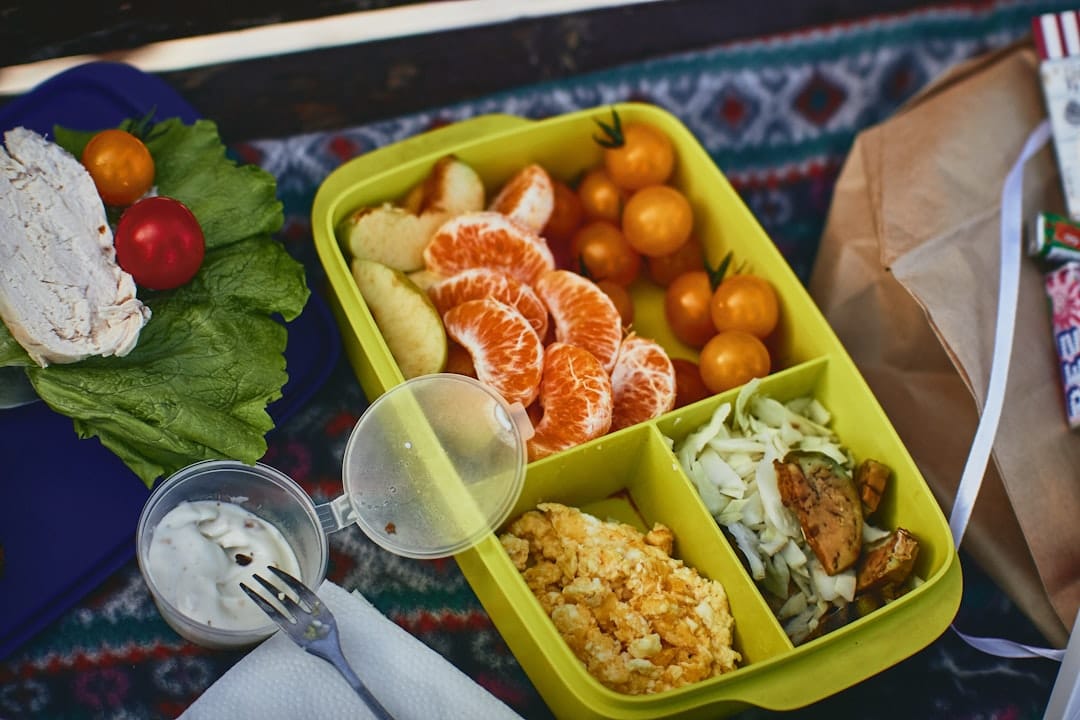
School lunch ideas for picky eaters work best when they are predictable enough to feel safe and varied enough to stay useful. Below are 15 lunchbox options with practical starting quantities, no-sandwich choices, warm thermos ideas, allergy-aware substitutions, a five-day plan, and a grocery list. You will also find a simple method for learning from what comes home—without turning lunch into a daily negotiation.
The portions are recipe and packing suggestions for one lunch, not a prescribed amount for a child to eat. Appetite varies with age, growth, activity, breakfast, and the school schedule. Pack an amount your child can manage, include at least one reliably accepted food, and follow the school’s allergy rules. For younger children, also compare these ideas with our lunch ideas for kindergarteners.
Quick answer: use the 1 + 1 + 1 + 1 lunchbox formula
Choose one main or protein, one familiar carbohydrate, one fruit or vegetable, and one small extra. The extra might be yogurt, cheese, a dip, or a simple treat. Water is usually the easiest drink. Keeping components separate helps many selective eaters, and repeating two or three dependable lunches is completely reasonable.
Contents
- Choose a lunch by today’s constraint
- Build a lunch your child can navigate
- 15 school lunch ideas for picky eaters
- Five-day lunch plan
- Consolidated grocery list
- Prep and packing routine
- Food safety for cold and hot lunches
- When lunch comes home untouched
- Frequently asked questions
Choose a lunch by today’s constraint
- Five minutes or less: turkey roll-ups, yogurt snack box, sunflower-seed-butter sandwich, or an emergency pantry lunch.
- No sandwich: cold pasta, snack box, hummus pita wedges, breakfast-for-lunch, or a rice-and-bean thermos.
- No refrigerator at school: use an insulated lunch bag with cold sources for perishable food, or choose shelf-stable items that meet school rules.
- Needs to be eaten quickly: cut the main into small, easy-to-pick-up pieces and skip fiddly packaging.
- Child dislikes mixed textures: use a divided box and put dips in a leakproof mini container.
- Nut-free classroom: use sunflower-seed butter only if permitted, hummus, cheese, egg, beans, poultry, or a school-approved alternative.
- Warm-food child: try a preheated insulated container with chicken and rice, meatballs, pasta, or bean-and-rice filling.
Build a lunch your child can navigate
1. Start with the accepted item
Choose one food your child commonly eats away from home: a particular bread, plain pasta, crackers, yogurt, rice, tortilla, cheese, or fruit. This is the anchor. It does not have to be the largest component, and it is not a reward for tasting something else.
2. Add useful staying power
Pair the anchor with a protein or fat source that your child accepts, such as chicken, turkey, beans, hummus, egg, yogurt, cheese, seed butter, or avocado. If one food provides more than one role—such as yogurt supplying protein and an extra—that is fine. Lunchboxes do not need perfect symmetry.
3. Include produce without pressure
Pack a fruit or vegetable in a size and texture your child can handle. Familiar fruit counts. If you add a learning food, keep the amount tiny so it does not crowd out the accepted foods. Repeated neutral exposure is more useful than a large serving that feels like a test.
4. Make it easy to open and eat
Practice opening the lunchbox, thermos, yogurt, and mini containers at home. Peel a stubborn orange, loosen a tight lid, and cut foods into manageable pieces. A nutritionally varied lunch cannot help if the child spends most of lunch period wrestling with packaging.
15 school lunch ideas for picky eaters
1. Familiar sandwich box
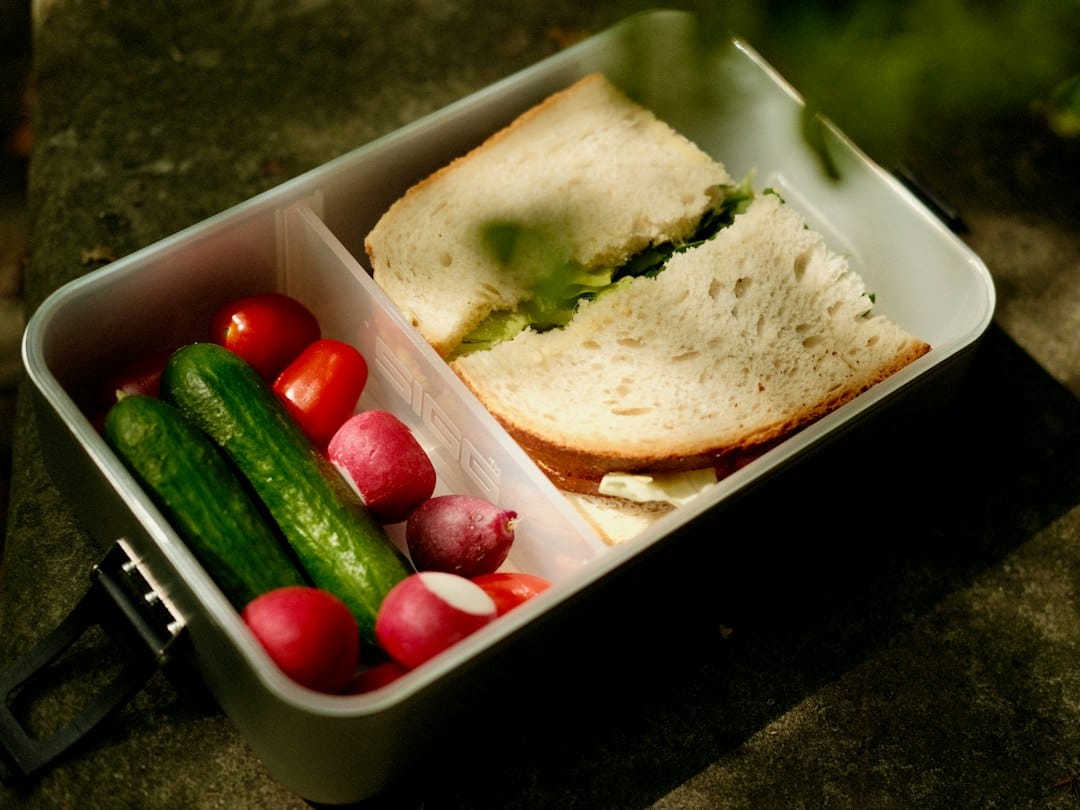
Pack: one small sandwich made with 2 slices of bread and 2–3 ounces of turkey or chicken, ½ cup fruit, ¼–½ cup cucumber or another accepted vegetable, and a small yogurt or cheese portion. Cut the sandwich into the shape your child eats most reliably.
Swap: use cheese alone, mashed white beans, hummus, or sunflower-seed butter if allowed. Keep wet ingredients away from the bread and pat produce dry to prevent sogginess.
2. Sunflower butter and banana pinwheels
Pack: spread 1½ tablespoons sunflower-seed butter over a small tortilla, add half a banana, roll tightly, and slice into pinwheels. Add berries or applesauce and a cheese stick if dairy is accepted. Confirm that sunflower products meet the school policy; “nut-free” procedures vary.
Texture option: pack the tortilla strips, seed butter in a dip cup, and banana separately. For a banana that browns easily, use a small whole banana instead of slices.
3. Cheese quesadilla wedges
Pack: melt ⅓ cup grated cheese between two small tortillas, cool completely on a rack, and cut into wedges. Add ¼ cup corn or mild black beans, ½ cup fruit, and salsa in a sealed cup if your child likes it.
Cooling before packing prevents steam from making the tortilla rubbery. Chicken, mashed beans, or finely chopped spinach can be added only if those textures are accepted; a plain cheese wedge can remain the familiar component.
4. Cold pasta lunch
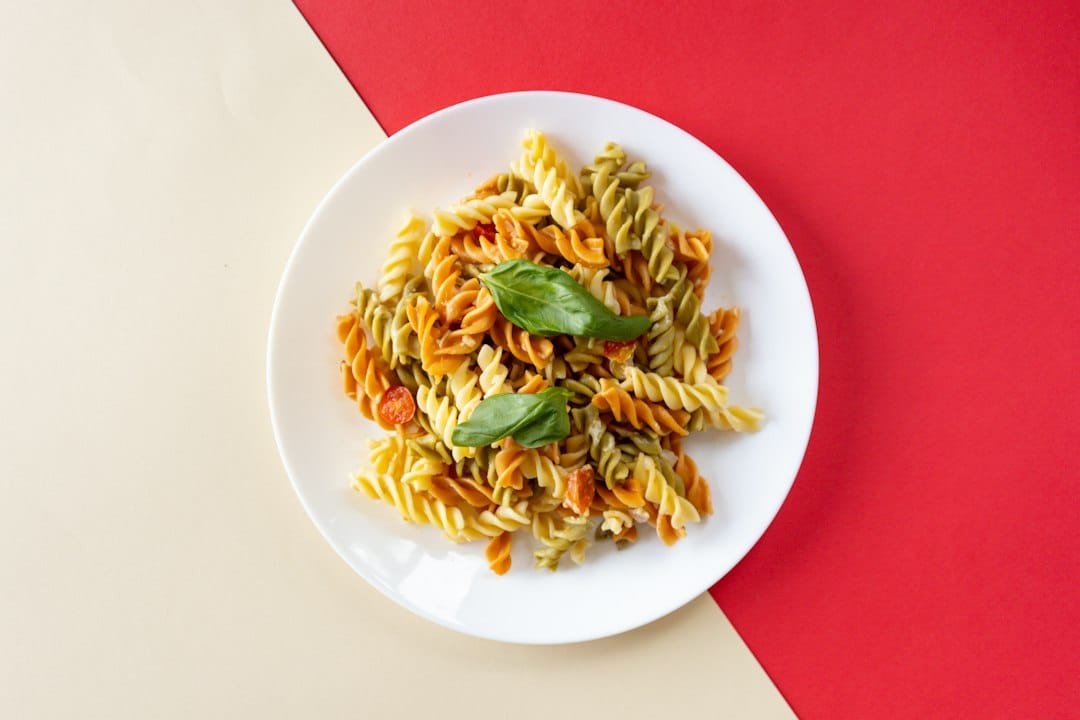
Pack: ¾ to 1 cup cooked small pasta tossed with 1 teaspoon olive oil or a familiar dressing, ¼ cup diced chicken or chickpeas, ¼ cup peas or chopped cucumber, and fruit. Keep unfamiliar ingredients beside the pasta rather than mixing them through the whole serving.
Short shapes such as rotini, shells, or bow ties are easier to fork. If your child dislikes cold pasta, serve it at home first so school is not the first trial.
5. Cracker and turkey snack box
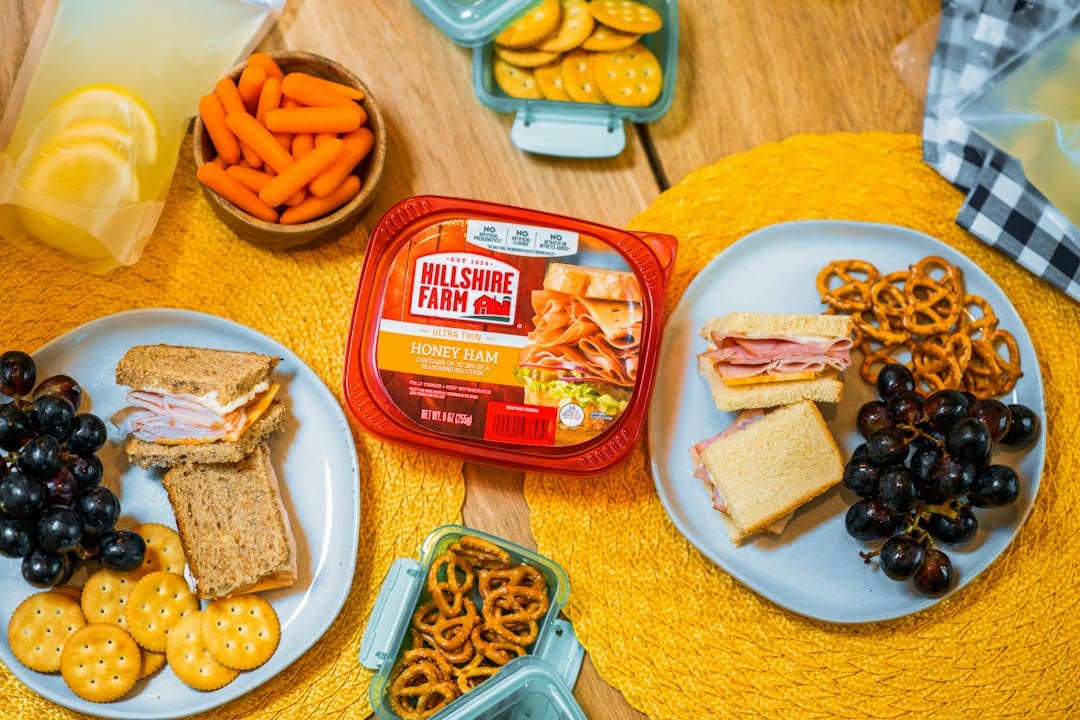
Pack: 6–10 whole-grain crackers, 2 ounces turkey cut into strips, 1 ounce cheese, ½ cup grapes cut appropriately or another fruit, and ¼ cup sliced cucumber. The child can stack or eat everything separately.
For younger children, cut grapes lengthwise into developmentally appropriate pieces and avoid hard or round choking hazards. The CDC choking-hazard guidance explains that food size, shape, and texture matter, and that children should sit and be supervised while eating.
6. Chicken and rice thermos
Pack: ¾ cup hot cooked rice mixed with ½ cup finely cut cooked chicken and ¼ cup soft peas or carrots. Add soy sauce or a familiar mild sauce sparingly. Preheat the insulated container with boiling water, empty and dry it, then add food that is reheated to 165°F/74°C and close immediately.
A mixed-food-averse child may prefer chicken over rice without vegetables mixed in. Include a cold fruit separately in an insulated bag.
7. Egg muffin and mini bagel
Pack: one or two fully cooked mini egg muffins, half a mini bagel with cream cheese or butter, and ½ cup fruit. Make egg muffins with beaten egg, grated cheese, and a small amount of accepted vegetable, then bake until the center is fully set.
Egg dishes are perishable and need effective cold packing. If egg is not accepted or permitted, replace with a yogurt tube, cheese, or roasted chickpeas appropriate for your child’s chewing skills.
8. Hummus pita dipper box
Pack: ¼ cup hummus in a leakproof container, one small pita cut into strips, ½ cup fruit, and ¼–½ cup soft or thinly cut vegetables. Add 1–2 ounces chicken or cheese if desired.
If hummus is new, pack only one teaspoon beside an accepted dip so the lunch remains usable. Check sesame rules and allergies; hummus commonly contains tahini.
9. Turkey and cheese roll-ups
Pack: roll 2 ounces sliced turkey around 1 ounce cheese, then cut each roll into bite-size pieces. Add pretzels or crackers, applesauce, and an easy vegetable. Use lower-sodium options when practical, since deli foods can be salty.
If the roll unravels or mixed textures are difficult, pack turkey and cheese separately. Avoid toothpicks in a young child’s school lunch.
10. Bean and rice burrito
Pack: fill a small tortilla with ⅓ cup rice, ¼ cup mashed black or pinto beans, and 2 tablespoons cheese. Fold tightly, warm in the morning, and place in a preheated food container, or cool promptly and send cold with ice packs if your child accepts it that way.
Serve mild salsa separately. For a child who rejects the burrito format, pack tortilla strips, plain rice, beans, and cheese in compartments.
Need more than five lunches planned?
Use a ready-made two-week framework to reduce daily decisions while keeping familiar-food flexibility.
11. Yogurt breakfast box
Pack: ¾ cup yogurt, ¼ cup low-sugar granola or dry cereal, ½ cup berries or chopped fruit, and half a mini muffin or toast sticks. Keep crunchy items separate until eating. Choose a yogurt your child already knows; school lunch is rarely the best place to introduce a very tart variety.
For dairy-free needs, use a permitted fortified alternative and add another accepted protein source because plant-based yogurts vary widely in protein.
12. Mini meatball pasta cup
Pack: ¾ cup cooked pasta, 3–4 small meatballs cut into safe pieces, and ¼ cup mild tomato sauce. Send hot in a properly preheated insulated container or cold with adequate cold sources. Add fruit and a vegetable separately.
A sauce-sensitive child can have plain pasta and lightly wiped meatballs. This is an easy use for dinner leftovers; see our dinner ideas for picky eaters for meals designed to be separated at serving.
13. Breakfast-for-lunch waffles
Pack: one whole-grain waffle cut into strips, 1–2 fully cooked egg bites or a cheese stick, ½ cup fruit, and yogurt or seed butter for dipping if allowed. Cool the waffle before closing the box so it stays firmer.
If your child expects syrup, send a small leakproof portion rather than soaking the waffle. A plain waffle can be the dependable anchor while the protein and fruit remain separate.
14. Leftover chicken wrap
Pack: place ½ cup cold cooked chicken in a tortilla with grated cheese and lettuce only if accepted. Roll tightly and cut in half. Add fruit and crunchy vegetables. Use chicken cooked within the safe leftover window and keep the lunch cold.
Alternative: serve chicken, tortilla wedges, cheese, and lettuce in compartments. This “same ingredients, different presentation” approach prevents the need for a completely separate lunch.
15. Emergency pantry lunch
Keep on hand: a shelf-stable tuna or chicken pouch if permitted, whole-grain crackers, an unsweetened fruit cup, applesauce, and a shelf-stable milk or alternative. Add a fresh item if available. Check package sizes, opening tabs, school allergy rules, and whether the child can manage the food independently.
The emergency lunch is for mornings when plans fall apart, not a nutritional ideal that must cover every category perfectly. A packed and eaten lunch is more useful than an elaborate lunch left on the counter.
Five-day picky-eater school lunch plan
Monday: quesadilla box
Cheese quesadilla wedges, corn in a separate compartment, strawberries, and plain yogurt. Prepare two quesadillas Sunday evening, cool them, refrigerate promptly, and use the second on Tuesday only if your child is comfortable with repetition.
Tuesday: cracker stacker box
Crackers, turkey strips, cheese squares, sliced cucumber, and applesauce. Let your child choose round or square crackers at packing time—an easy decision that does not change the meal.
Wednesday: cold pasta
Plain rotini with olive oil, chickpeas or diced chicken on the side, peas, and grapes cut appropriately. Pack dressing in a tiny container if your child likes to dip rather than mix.
Thursday: chicken and rice thermos
Hot chicken and rice with soft carrots, plus a cold mandarin or fruit cup in the insulated bag. Reheat the food to 165°F/74°C before packing and use a preheated food container.
Friday: breakfast-for-lunch
Waffle strips, egg bites or cheese, blueberries, and yogurt dip. The playful format adds variety while keeping each component recognizable.
Consolidated grocery list for the five lunches
Bread and grains
- 4 small tortillas
- One box whole-grain crackers
- 8 ounces small pasta
- Rice for 2 cups cooked
- 2 whole-grain waffles
Protein and dairy
- 8 ounces sliced turkey
- 8 ounces cooked chicken
- 8 ounces cheese
- One can chickpeas
- 4 eggs or prepared egg bites
- 3–4 single servings plain yogurt
Produce
- Strawberries or another accepted berry
- Applesauce cups
- Grapes or a safer accepted fruit
- Mandarins or fruit cups
- Blueberries
- 2 cucumbers
- Frozen corn, peas, and carrots
Pantry and packing
- Olive oil or familiar pasta dressing
- Mild salsa, optional
- Leakproof dip cups
- At least two frozen cold sources
- Reusable napkins and child-manageable utensils
This list assumes one school-age child and the starting amounts in the plan. Increase quantities for siblings, larger appetites, or adult lunches. Check what comes back before scaling portions up.
A realistic prep and packing routine
Sunday: 35-minute setup
- Cook pasta and rice, cool them promptly, and refrigerate in shallow covered containers.
- Cook chicken to 165°F/74°C, divide it for Wednesday and Thursday, and label both portions.
- Bake egg bites until fully set, cool, and refrigerate.
- Wash sturdy produce, dry it well, and cut only what keeps its quality.
- Freeze cold sources and place the lunchbox, bottles, and containers together.
The night before: 10 minutes
- Pack the non-hot lunch components and refrigerate the lunchbox open or according to its manufacturer’s instructions.
- Place dry crackers or cereal in a separate container so they stay crisp.
- Check the school calendar for field trips, shortened lunches, or allergy notices.
- Put a short note by the door if a thermos component must be heated in the morning.
Morning: 5 minutes
- Add at least two cold sources around perishable food, or preheat the insulated food container and add piping-hot food reheated to 165°F/74°C.
- Fill the water bottle and add the final crisp items.
- Check that every lid is closed and the child can open it.
- Keep lunch preferences neutral: “Your lunch is packed” creates less pressure than “Please eat everything.”
Food safety for cold and hot school lunches
Perishable foods such as meat, poultry, eggs, yogurt, cheese, cooked rice, and cut produce need temperature control. The USDA guidance for bag lunches recommends an insulated bag and at least two cold sources for perishable cold lunches. Place cold sources above and below the food when possible. A frozen water bottle can count as one source if it remains frozen long enough.
For hot food, fill the insulated container with boiling water, let it stand for a few minutes, empty it, and immediately add food reheated to at least 165°F/74°C. Keep the container closed until lunch. If the school can refrigerate lunches, put the open insulated bag in the refrigerator so cold air can circulate.
Wash hands and clean preparation surfaces. Do not reuse disposable packaging. Discard perishable leftovers that return at an unsafe temperature; a lunchbox is not a refrigerator. The USDA leftovers guidance recommends using most refrigerated cooked leftovers within 3–4 days and reheating them to 165°F/74°C.
Allergy-aware substitutions
- Replace peanut or tree-nut butter with sunflower-seed butter only if the school allows seeds and the child tolerates it.
- Replace dairy cheese and yogurt with a permitted alternative; compare labels because protein and added sugar vary.
- Use corn tortillas, rice, gluten-free crackers, or certified gluten-free oats when medically required, and avoid cross-contact.
- Use hummus or mashed beans instead of deli meat; remember that hummus often contains sesame.
- For egg-free lunches, choose chicken, beans, yogurt, cheese, seed butter, or another school-approved protein.
- Always follow the child’s medical plan and the school’s written procedures; do not rely on a general online recipe for allergy management.
When lunch comes home untouched
First, identify the barrier
Ask one neutral question: “Was there not enough time, was it hard to open, or did the food feel wrong today?” Common causes include a short lunch period, social distraction, an unfamiliar temperature, packaging problems, appetite timing, texture changes, or a portion that looked too large.
Change one variable at a time
If the sandwich was soggy, adjust moisture—not the entire menu. If the thermos food was lukewarm, improve the preheating routine. If fruit consistently returns, try a smaller amount or a different cut. One change makes the result easier to interpret.
Use a simple return log for one week
- Write the main item and whether it came back empty, partly eaten, or untouched.
- Note temperature problems, leaking, or containers that were difficult to open.
- Record unusual schedule events such as a late breakfast or shortened lunch.
- After five days, keep the two most workable formats and modify only one less successful lunch.
Avoid making lunch a performance review
Praise the process—opening containers, bringing the box home, or telling you what was difficult—rather than the number of bites. Do not withhold an after-school snack because lunch came back. If growth, energy, swallowing, pain, or severe food restriction is a concern, talk with the child’s pediatrician or a qualified feeding professional.
How to introduce a new food without risking the whole lunch
- Serve the food at home first, when there is time and support.
- At school, pack a tiny learning portion—one cucumber coin, one bean, or one new cracker—beside accepted foods.
- Keep it physically separate if touching is a barrier.
- Do not require the child to eat it. The goal is familiarity, not a school-day challenge.
- Repeat occasionally while keeping the rest of the lunch dependable.
For toddlers or children still learning safe chewing, use our toddler lunch ideas and adapt shapes carefully. School-age children can still have individual chewing or swallowing needs, so follow their clinician’s guidance.
Take the daily guesswork out of meals
The 14-Day Picky Eater Meal Plan helps you organize familiar, flexible meals without building a separate menu for every family member.
Frequently asked questions
How many foods should I pack?
Four components are usually manageable: a main or protein, a carbohydrate, produce, and an extra. Fewer components can be appropriate for a short lunch period, while larger appetites may need more. Watch what your child can realistically open and eat.
Is it okay to pack the same lunch repeatedly?
Yes. Repetition can reduce anxiety and morning work. Rotate the fruit, cracker, shape, dip, or presentation when tolerated, but there is no need to create a novel lunch every day.
What can I pack instead of a sandwich?
Try cold pasta, a cracker snack box, quesadilla wedges, a rice thermos, hummus with pita, breakfast-for-lunch, turkey roll-ups, or a deconstructed leftover meal.
How do I stop bread from getting soggy?
Cool cooked fillings, pat produce dry, put cheese or seed butter next to the bread as a moisture barrier, send sauces separately, and keep tomatoes or pickles outside the sandwich.
Can I put warm leftovers in a lunchbox?
Use a food-grade insulated container, preheat it with boiling water, and add leftovers reheated to 165°F/74°C. A regular lunchbox cannot safely hold warm perishable food for hours.
What if the school is nut-free?
Follow the school’s exact written policy. Seed butter, hummus, dairy, egg, beans, or meat may be alternatives, but classroom policies and individual allergy plans differ. Check labels for cross-contact statements when required.
How much should a child eat at lunch?
There is no single correct amount. Pack modest starting portions based on your child’s usual appetite and offer more where school rules allow. If you are worried about intake, growth, or nutritional adequacy, ask the child’s pediatrician or a registered dietitian.