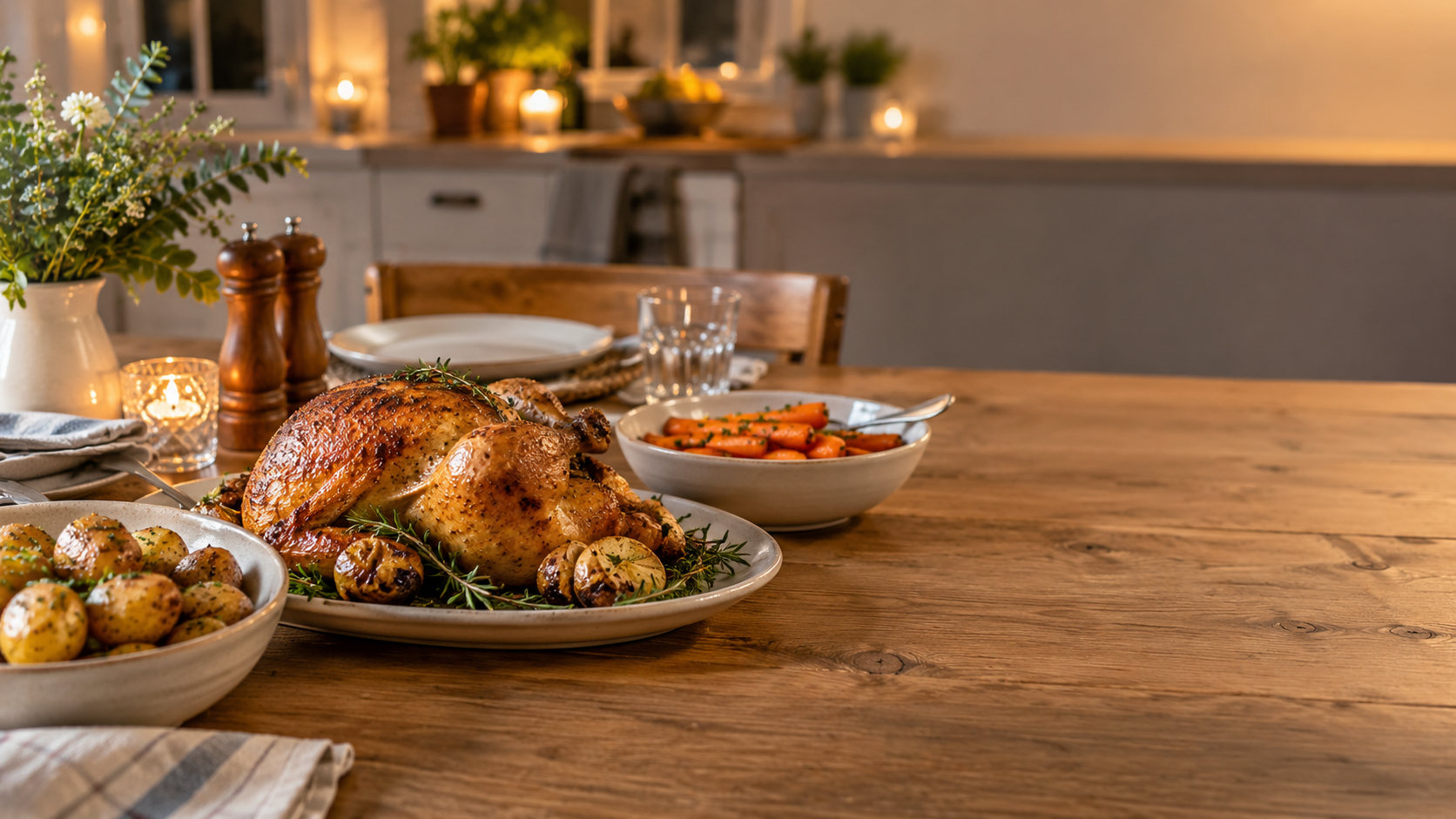
The most useful kid friendly dinner ideas let you cook one meal and serve it in more than one way. Put sauce on the side, leave a portion of pasta plain, or offer a taco filling beside the tortilla. These small changes can make family dinner more manageable without promising that every child will eat every ingredient.
Start tonight with a familiar base, a protein and an optional vegetable or topping. Choose one of the seven combinations below and keep at least one component familiar. The aim is a workable dinner, not a picture-perfect plate or a guarantee of an empty one.
Each recipe outline makes roughly four modest servings; scale it to your household. Cooking times depend on equipment and ingredient size, and these are planning recipes, not claims from kitchen testing. Use a food thermometer where required. For nights when speed is the main concern, our easy meals under 30 minutes guide focuses specifically on shortcuts.
In this guide
- Choose dinner according to tonight's constraints
- Prepare seven flexible family meals
- Make useful ingredient substitutions
- Build a weekly menu and shopping list
- Prep and store components safely
- Troubleshoot common dinner problems
- Answer practical family-meal questions
Choose the easiest dinner for the evening you actually have
Think about the work involved, not just the cooking time. A tray meal may spend longer in the oven but need less active attention. A skillet meal may cook quickly yet require you to stand nearby. An assembly dinner can be useful when everyone arrives home at a different time.
Swipe horizontally to view the full table →
| Tonight's situation | Dinner to choose | Keep flexible |
|---|---|---|
| You have oven time but little attention | Chicken, potatoes and carrots | Serve vegetables separately |
| You need a familiar pantry meal | Tomato-bean pasta | Keep some pasta plain |
| People want different toppings | Turkey taco bowls | Put toppings in small bowls |
| You want a meat-free meal | Lentil potato bowls | Offer mash and lentils separately |
| You have cooked chicken to use | Chicken noodle soup | Offer broth separately if needed |
| You need a small batch | Egg and vegetable skillet | Add bread at the table |
| You want an assembly meal | Pita pizzas | Let each person choose toppings |
Choose two or three of these for the week, not necessarily all seven. Repeating a familiar dinner is often more realistic than shopping for a new recipe every evening. Keep one flexible night for food you already have.
Seven kid friendly dinner ideas with clear preparation
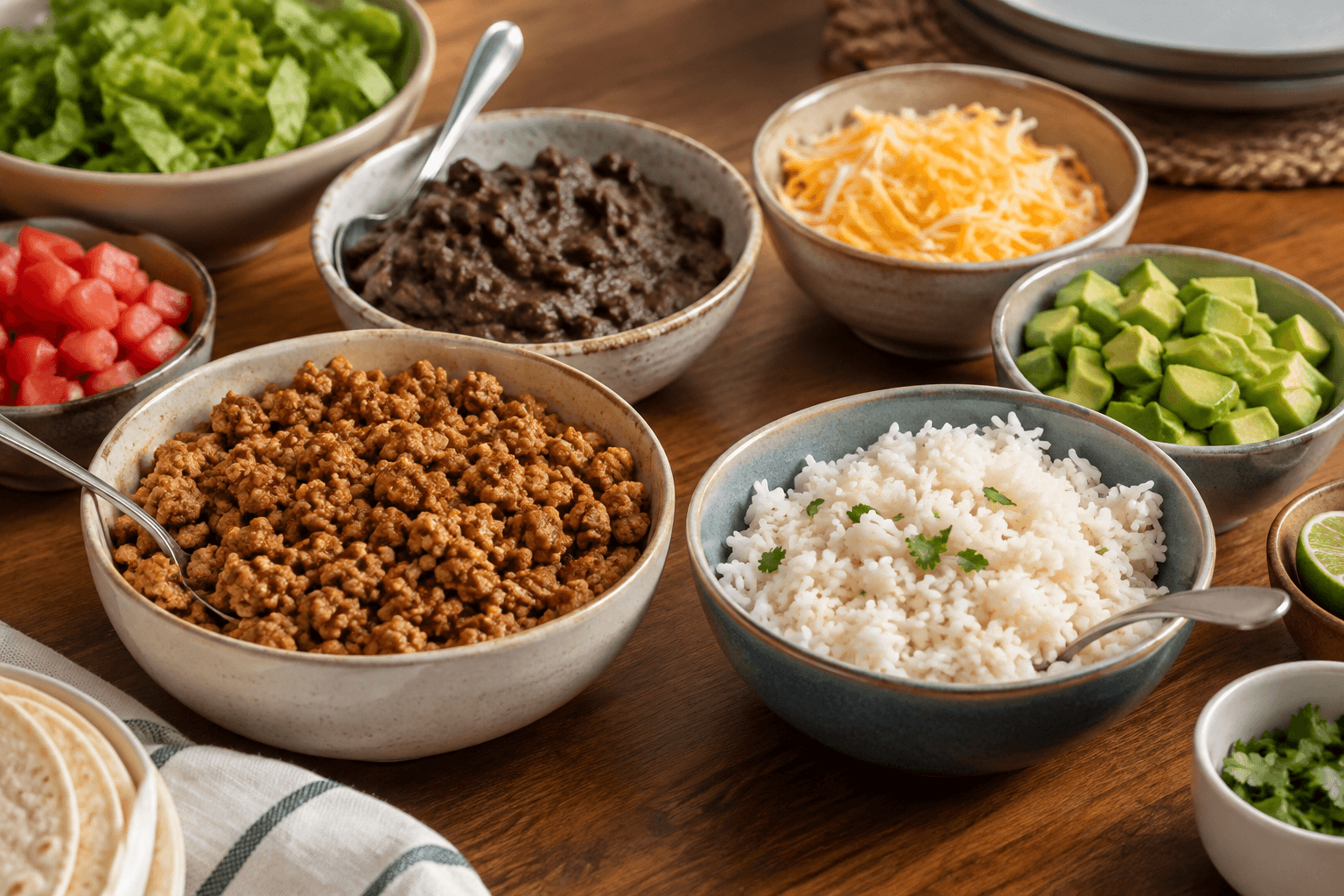
1. Chicken, potatoes and soft roasted carrots
For about four servings, use 1¼ pounds boneless chicken thighs, 1½ pounds potatoes, one pound carrots, two tablespoons olive oil and mild seasoning your family already uses. Heat the oven to 425°F/220°C. Cut potatoes into even small chunks and carrots into pieces that will cook at a similar rate.
Toss the vegetables with half the oil on a large tray and start roasting. After about 15 minutes, add the chicken on a separate tray with the remaining oil. Continue cooking, checking the vegetables for tenderness and the chicken with a thermometer. Chicken must reach 165°F/74°C; time alone is not a safety check. Depending on size and equipment, the chicken may need roughly another 20–30 minutes.
Serve the components separately. Adults can add a sauce or salad; a child can start with potato and a small portion of chicken. For younger children, make the vegetables fully soft and shred moist chicken appropriately. If chicken finishes before the vegetables, remove it while the vegetables continue cooking rather than drying out the entire meal.
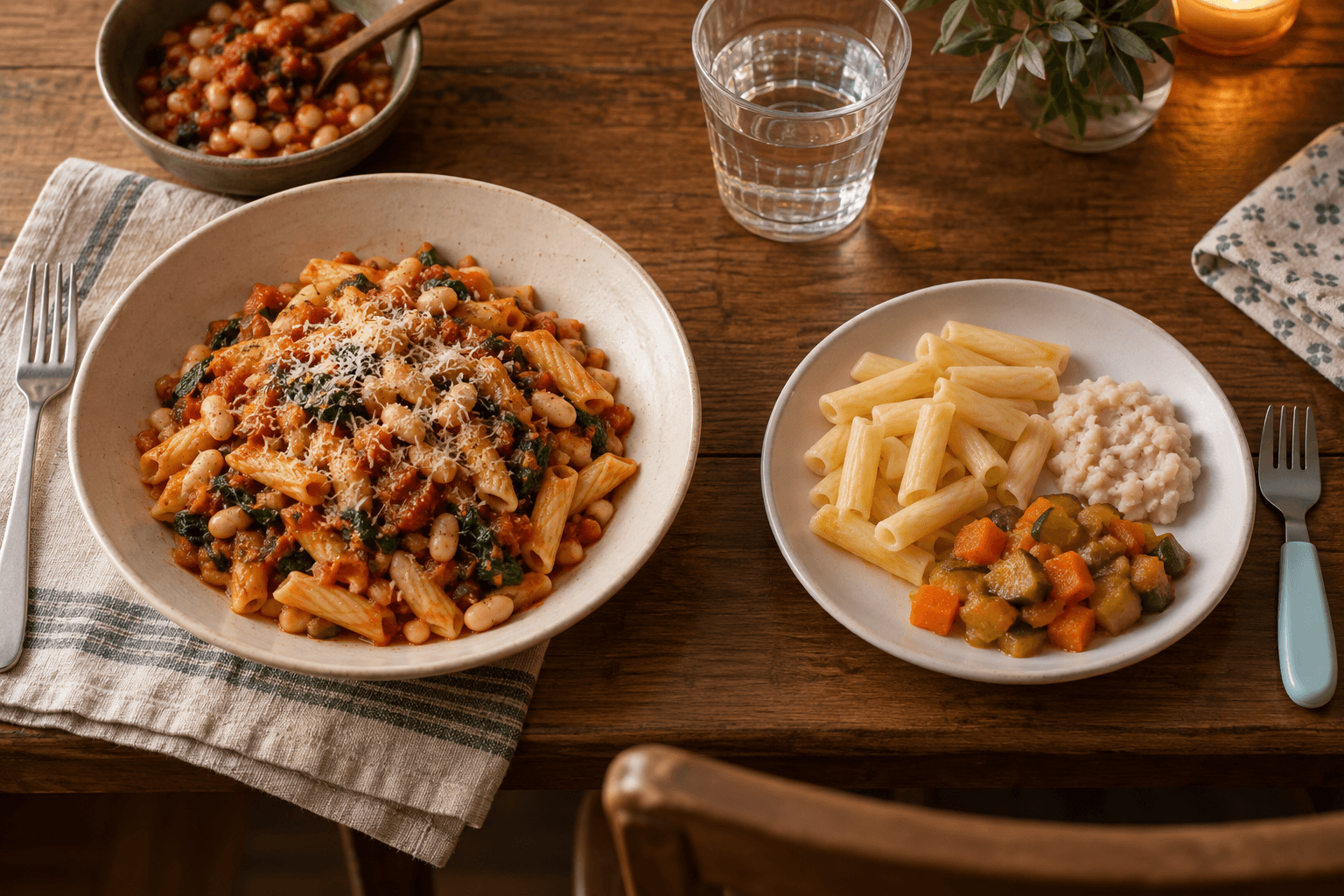
2. Tomato and white-bean pasta, two ways
Use 12 ounces short pasta, one 15-ounce can white beans, two cups tomato sauce, one teaspoon olive oil and optional grated cheese. Bring pasta water to a boil and cook according to the package. Meanwhile, drain and rinse the beans, then warm them with the sauce and oil in a saucepan.
Before draining, reserve a mug of pasta water. Set aside a little plain pasta, then combine the rest with the sauce. Add a splash of the reserved water if the mixture is too thick. Offer cheese separately so the base can remain dairy-free if all ingredient labels fit the family's needs.
For someone who dislikes beans in sauce, serve a portion of beans beside the pasta or mash them into their own small serving. Do not secretly change every element of a familiar meal at once. A side of cooked vegetables is enough; this dinner does not need extra complicated dishes to feel complete.
3. Turkey taco bowls with separate toppings
Gather one pound ground turkey, two cups cooked rice, one 15-ounce can black beans, one teaspoon ground cumin, one teaspoon mild paprika, one tablespoon oil and a few tablespoons water. Optional toppings include grated cheese, avocado and salsa.
Heat the oil in a large skillet. Cook the turkey, breaking it up into small pieces, then add the spices and water. Continue cooking until ground turkey reaches 165°F/74°C. Warm the drained beans separately and heat the rice appropriately if using leftovers.
Place rice, turkey, beans and toppings on the table in separate dishes. Start the child's plate with a familiar ingredient; add a little of another component without requiring it to be eaten. For toddlers, mash beans and adapt other food shapes. For adults, add salsa or stronger seasoning at the table.
Keep the rice portion separate before serving so any untouched leftovers can be cooled promptly. If there is no cooked rice available, use tortillas instead rather than adding another task to the evening.
4. Lentil and mashed-potato bowls
For four modest servings, use 1½ pounds potatoes, two cups cooked lentils, one cup tomato sauce, one-half cup water or suitable broth and two tablespoons olive oil. Peel potatoes if desired, cut into similar-sized pieces and boil until tender. Drain and mash with the oil and enough warm water to reach the consistency you want.
While the potatoes cook, warm lentils with tomato sauce and broth in a saucepan. Simmer gently, stirring, until hot and spoonable. Serve over the mash or alongside it. If your family prefers a smoother filling, mash some of the lentils with a fork.
This bowl gives you the components of a comforting pie without assembling and baking a casserole. Add cooked carrots or peas separately. Choose canned or previously cooked lentils if that is what makes the meal practical; dried lentils need their own cooking step according to the package.
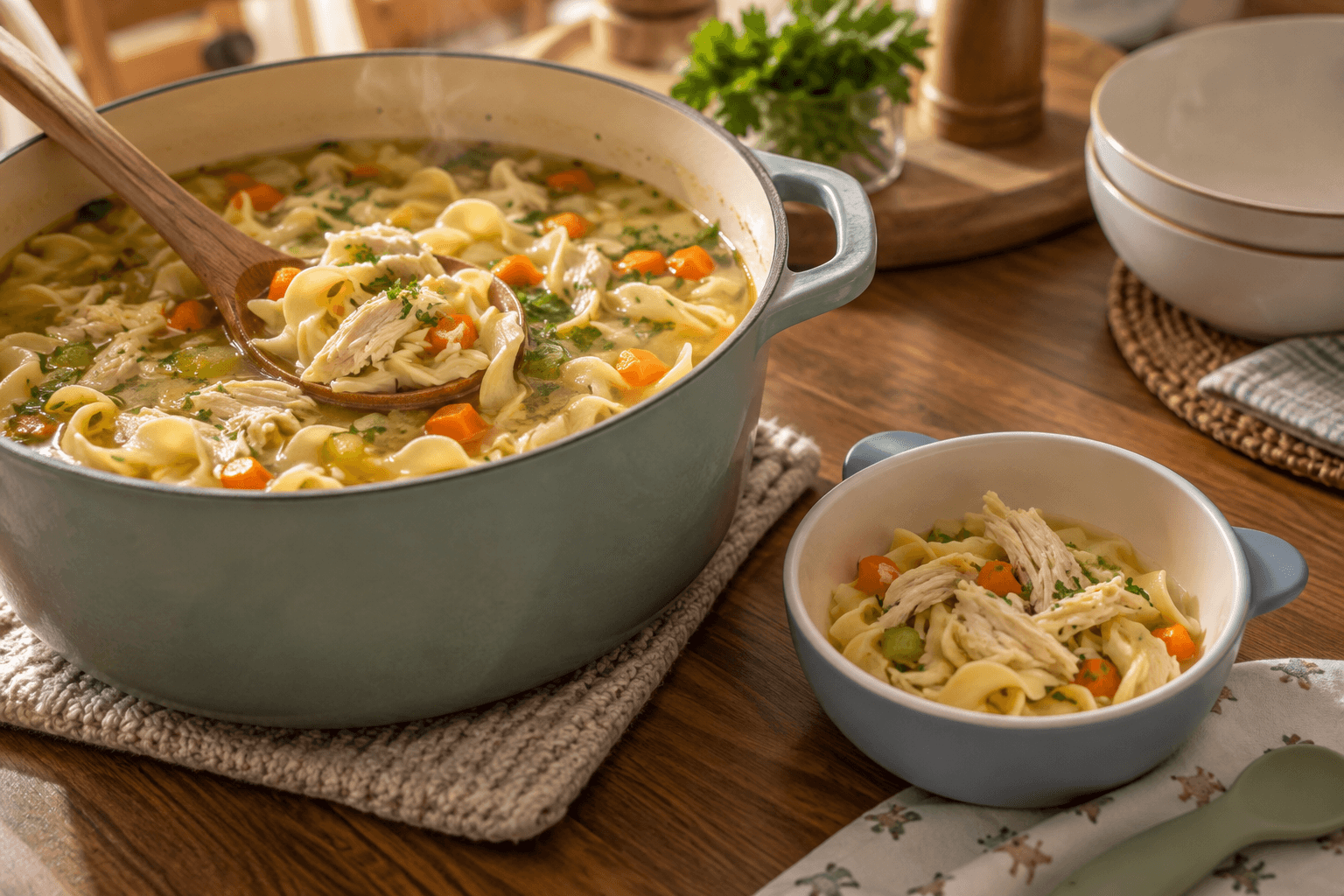
5. Chicken noodle soup with adjustable broth
Use two cups finely shredded cooked chicken, six cups lower-sodium broth, two cups chopped carrots and celery, and six ounces small pasta. Bring the broth and vegetables to a simmer. Cook until the vegetables are soft, then add the pasta and cook for the time on its packet.
Add the chicken and heat thoroughly. When using previously cooked ingredients, check that the reheated meal reaches 165°F/74°C. Add water if the pasta absorbs more liquid than expected. Let portions cool to a suitable temperature before children begin eating.
For a child who finds soup difficult, lift out noodles, chicken and soft vegetables with a slotted spoon and offer a little broth separately. If you plan to save some, cook the pasta separately and add it to serving bowls; noodles left in broth absorb liquid and become softer.
6. Egg and vegetable skillet with toast
Use eight eggs, two tablespoons milk or water, one cup finely chopped cooked vegetables, one tablespoon oil and optional one-half cup grated cheese. Beat the eggs with the liquid. Warm the oil in a large nonstick skillet over medium-low heat, add vegetables and let any excess water evaporate.
Pour in the eggs and stir gently until fully cooked. Check an egg dish reaches 160°F/71°C. Add cheese if using and serve with toast. You can also keep the vegetables separate and make plain scrambled eggs if mixed textures are difficult for someone at the table.
This is a good use for a small amount of cooked vegetables that is still within its storage period. It is not an excuse to use food of uncertain age. For an egg-free evening, choose the lentil bowl or pasta meal rather than forcing an untested one-to-one egg replacement.
7. Pita pizzas with a simple side
Use four small pitas or flatbreads, three-quarters cup tomato sauce, one cup grated mozzarella and up to one cup prepared toppings. Heat the oven to 400°F/200°C. Put the breads on a tray, spread with a thin layer of sauce and add cheese and chosen toppings.
Bake until the cheese melts and the base is cooked to your preference, checking from around eight minutes. Use only already cooked meat toppings and ensure reheated components are thoroughly heated. Avoid piling on wet vegetables, which can leave the center soggy. Offer a vegetable or fruit preparation appropriate for each child alongside.
Let children choose between two prepared toppings if that makes assembly easier. An unrestricted selection can create more work than it saves. If a crunchy base is difficult, use a softer bread and cut it appropriately after cooling.
Substitutions that keep the recipe workable
Change one ingredient at a time when possible. A swap affects flavor, moisture, cooking time and sometimes food safety. Replacing ground turkey with ground beef, for example, is not the same as replacing it with cooked lentils. Follow the right cooking instructions for the ingredient you actually use.
For milk allergies, check sauces, breads and processed ingredients as well as obvious cheese toppings. A product described as vegan is not automatically suitable for every allergy. For gluten-free meals, choose appropriate pasta or bread and check broth and sauce labels too.
For budget adjustments, use canned beans in place of part of the meat, choose frozen vegetables and plan a second use for opened ingredients. Keep familiar seasonings available. A less expensive dinner still needs enough flexibility to be useful to your household.
If feeding children of different ages, adapt the serving rather than assuming one cut works for everyone. The CDC's choking guidance emphasizes developmentally appropriate preparation and close supervision. Younger children may need mashed beans, softer produce and moist shredded meat instead of whole beans or large pieces.
A realistic five-night menu
This menu includes a flexible night so you can respond to changed plans. It is not designed around keeping one batch in the refrigerator all week.
Swipe horizontally to view the full table →
| Night | Dinner | Useful preparation connection |
|---|---|---|
| Monday | Chicken, potatoes and carrots | Reserve an untouched portion of chicken for Tuesday |
| Tuesday | Chicken noodle soup | Use the safely refrigerated chicken promptly |
| Wednesday | Tomato-bean pasta | Save unused canned ingredients according to storage guidance |
| Thursday | Egg skillet with toast | Use a fresh batch or safely stored vegetables |
| Friday | Pita pizzas or a flexible meal | Choose according to what remains safe and available |
If Monday dinner does not leave enough chicken, do not stretch a tiny amount into a meal that will not suit your household. Add beans to the soup or select another dinner. Leftover plans should follow what is available, not dictate what everyone must eat.
Need more structure around meal decisions? Explore the 14-Day Picky Eater Plan and review its daily approach. It is an optional resource for planning; no guide can promise a child will accept every meal.
Build a shopping list from the meals you choose
Start with three dinners, then total their overlapping ingredients. If you choose chicken trays, pasta and egg skillets, your central list is chicken, potatoes, carrots, pasta, canned beans, tomato sauce, eggs and bread. Cheese and additional produce are optional according to your selected versions.
Check the pantry before buying broth, oil, spices and sauce. Write quantities next to ingredients needed for more than one meal. A single jar of sauce may cover pasta but not pizzas too, while a large bag of carrots may comfortably serve several purposes.
Keep one shelf-stable backup combination, such as pasta and canned beans. This makes the plan less brittle when an evening changes. A backup is not a failure of the menu; it is part of making the menu realistic.
Prep only what will save work later
Wash and cut vegetables, measure dry ingredients and identify which proteins need thawing. Store raw meat separately from ready-to-eat foods. Use a clean container and label dates when you prepare components ahead.
Do not cook a week's worth of every dish just because the recipes appear in one guide. Freeze portions intended for later if appropriate, or schedule a smaller midweek preparation session. Keep delicate toppings and bread apart from sauces until serving.
An efficient evening sequence is to start the longest task first. Put potatoes in the oven or water on to boil, then prepare the sauce or toppings. Set out plates while the food cooks. This reduces last-minute decisions without adding another appliance or complicated system.
Safe cooking, storage and reheating
Use the FoodSafety.gov temperature chart: poultry, including ground turkey, needs 165°F/74°C; ground beef needs 160°F/71°C; egg dishes need 160°F/71°C; leftovers need 165°F/74°C. A food thermometer is more reliable than appearance.
Follow the four food-safety steps: clean, separate, cook and chill. Refrigerate perishable food promptly, within two hours or one hour above 90°F/32°C. Use shallow containers and a refrigerator at 40°F/4°C or below.
The cold-storage chart lists three to four days for cooked meat or poultry leftovers and soups or stews. Use the shortest applicable limit when combining ingredients. Freeze suitable portions for later rather than leaving them in the refrigerator until the end of the week.
Troubleshooting family dinner
The meal is too dry
Add moisture to the portion, not necessarily the whole pan. A spoonful of warm water, broth or an appropriate sauce can loosen pasta or shredded chicken. Check whether meat was overcooked so you can adjust next time rather than relying on extra sauce every evening.
Your child wants plain food
Reserve plain components during cooking. This is easiest before sauce is added, not after. Offer other ingredients nearby without insisting that they touch or be mixed. The family can share the same ingredients while plates look different.
Everyone is hungry before dinner is ready
Simplify the remaining steps. Skip decorative toppings, serve a familiar component first if appropriate and keep the meal calm. For the next similar evening, choose a dinner with less active preparation rather than assuming you need to cook faster.
The recipe makes too much
Scale down next time and portion untouched extras before serving. Large serving dishes left on the table are less convenient to manage than labeled smaller containers. Keep notes on household quantities rather than expecting the words “serves four” to fit every family.
There are persistent feeding concerns
Contact a healthcare professional for ongoing pain, swallowing difficulty, repeated choking, growth concerns or a very restricted diet. These meal ideas are practical cooking suggestions, not treatment for a feeding problem.
Frequently asked questions
Should I cook a separate dinner for a selective eater?
A useful first step is to serve familiar components from the main dinner separately. Whether additional changes are appropriate depends on individual needs. If a child has a diagnosed condition or feeding plan, follow that professional guidance.
Can I repeat the same dinners every week?
A manageable rotation can be helpful for planning. Change a side, seasoning or presentation when useful rather than replacing every main dish. Review your household's needs over time instead of judging the whole diet from one dinner.
Which dinner should I try first?
Pick the meal with the most familiar ingredients and the least preparation friction tonight. If your family already likes pasta, start there. If you have cooked chicken that needs using, choose soup. The best starting point is practical, not necessarily the most ambitious recipe.
Where can I find ideas for younger children?
Our toddler meals guide focuses on younger eaters and texture adjustments. For school-day planning, see lunch ideas for kindergarteners. Keep ages, chewing skills and storage arrangements in mind when adapting a meal.
What is a simple next step?
Choose three dinners, write one combined shopping list and decide which components can stay separate. If you want a guided routine alongside those meals, view the 14-Day Picky Eater Plan and check whether its format fits your family.