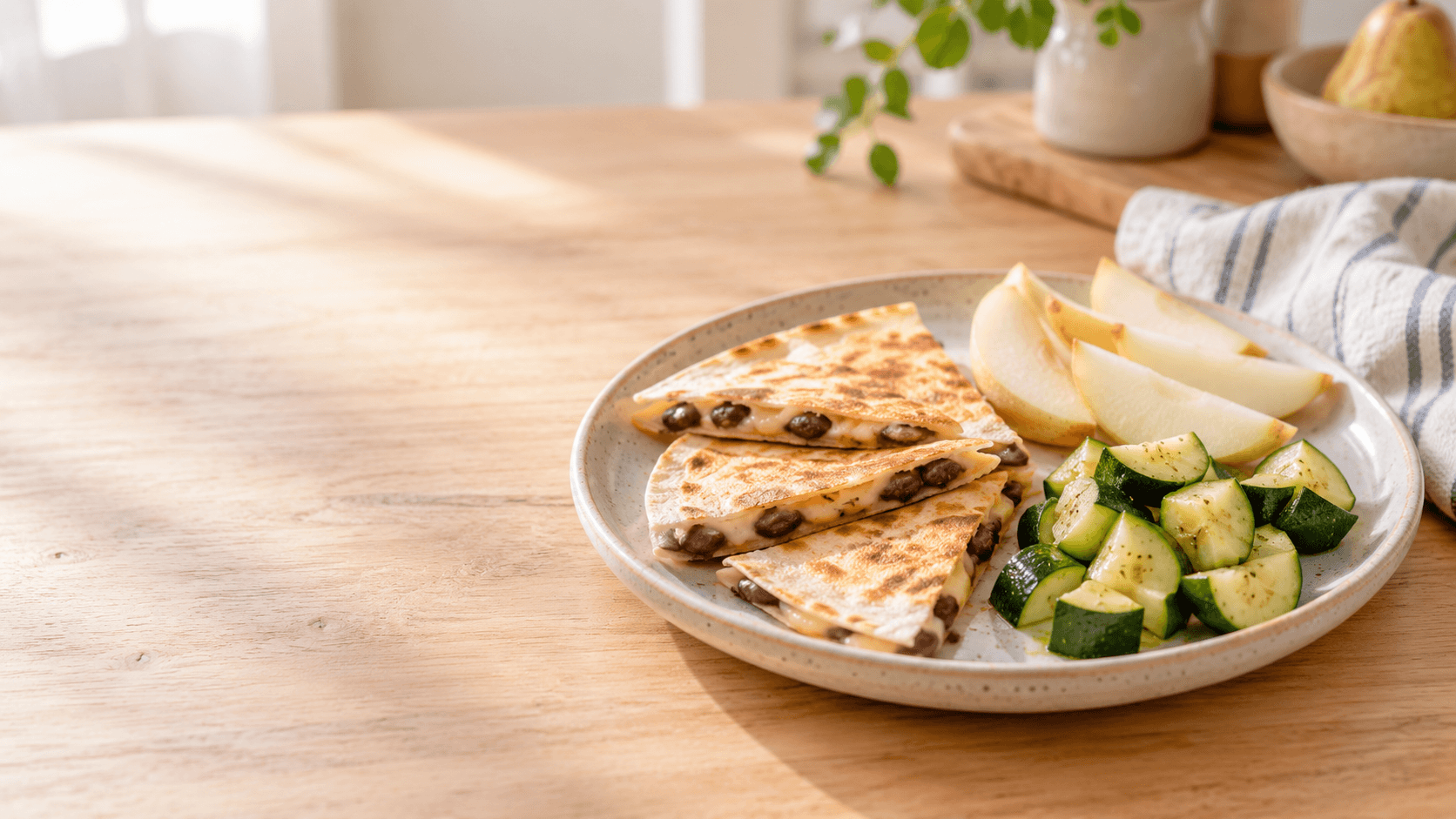
Toddler lunch ideas become easier to use when they start with food you already have. Choose a familiar base, add a protein your child can manage, and include fruit or vegetables prepared for their chewing skills. A soft bean quesadilla, small pasta with shredded chicken, or an egg-and-toast plate can all become lunch without a separate complicated recipe.
This guide focuses on lunches at home for children roughly 12–36 months who are eating solid foods. It is not a prescribed feeding plan: appetites, allergies and developmental needs vary. The quantities below make small batches so you can share a meal or save an untouched portion, not because a child must finish a particular amount.
The useful goal is a repeatable routine. You will build a few components, use them in different combinations and change one detail when needed. For ideas across the whole day, see our broader 25 easy toddler meals guide.
In this guide
- Build lunch from three manageable components
- Prepare eight flexible lunch combinations
- Adapt textures and ingredients
- Follow a five-day lunch rotation
- Shop and prep without filling the fridge with wasted food
- Store, reheat and troubleshoot
- Find answers to common questions
A lunch formula you can repeat
Start with one food your child knows. That might be toast, pasta, potato or a soft tortilla. Pair it with egg, mashed beans, shredded chicken, tofu or another familiar protein. Finish with a soft fruit or cooked vegetable. These are planning categories, not a requirement to make every meal look identical.
Put out a small first serving and keep more available. A huge plate makes it harder to tell whether the issue is the food itself, the amount or the way it is presented. There is no need to disguise every ingredient or give the meal an elaborate name. Clear, ordinary descriptions help you keep track of what you offered.
If you are eating together, use the same ingredients in your own portion. An adult can add a salad, stronger seasoning or a larger serving. Keep the toddler version appropriate in texture and temperature rather than cooking an entirely different lunch.
Check the texture before choosing the recipe
Preparation matters as much as the ingredient. The CDC choking guidance advises adapting food shape, size and texture to development, supervising meals and having children sit upright. Hard raw apple or carrot pieces, whole beans, whole nuts, thick spoonfuls of nut butter and large cheese chunks are among potential hazards.
For the ideas here, mash beans, soften vegetables, finely shred moist meat and use grated cheese. Adapt fruit rather than offering hard chunks or uncut round fruit. A recipe name never makes a food automatically suitable for every toddler. Follow individual feeding advice if your child has chewing or swallowing difficulties.
Eight toddler lunch ideas with practical preparation
1. Soft white-bean and cheese quesadilla
For a small batch, use two small soft tortillas, one-half cup drained canned white beans, one-quarter cup grated cheese and one to two tablespoons water. Mash the beans with the water until spreadable. Spread a thin layer across half of each tortilla, add cheese and fold.
Warm in a lightly oiled skillet over medium-low heat until the filling is hot and the cheese melts. Keep the tortilla flexible rather than crisp. Let it cool to an appropriate serving temperature and cut into manageable pieces. Offer a little mashed avocado or soft cooked zucchini alongside.
If folded food is difficult, serve the mashed beans and soft tortilla separately. For a dairy-free version, omit cheese and use avocado after cooking; check the tortilla label and your child's allergy requirements. Save unused mashed beans separately so you can change the presentation tomorrow.
2. Small pasta with chicken and a gentle sauce
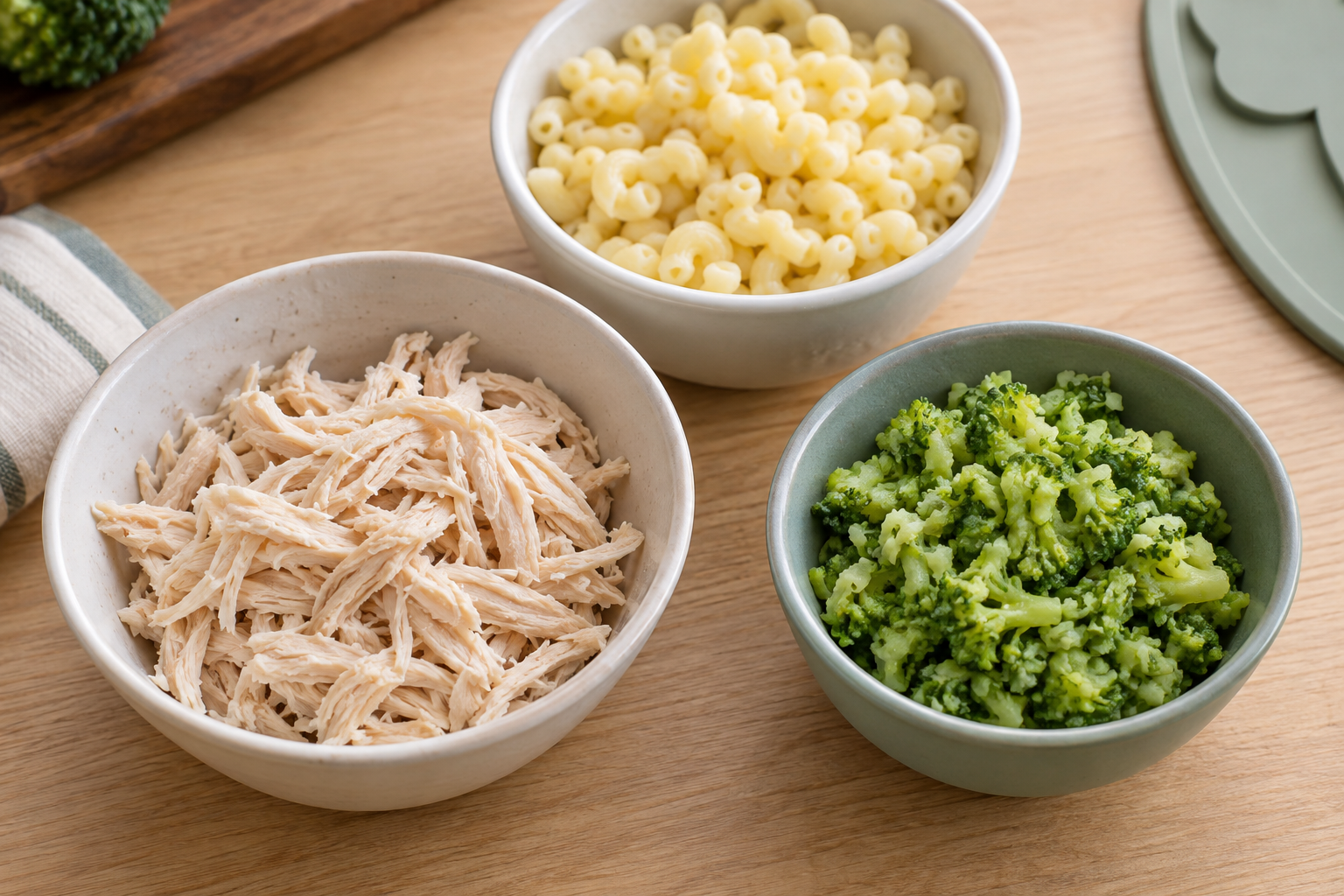
Use one cup cooked small pasta, one-half cup finely shredded cooked chicken, two tablespoons plain yogurt and a little warm water. Reheat the pasta and chicken thoroughly with the water, then stir in yogurt off the heat. Start with less yogurt if your child prefers a mostly plain coating.
Serve soft cooked broccoli, finely chopped, on the side instead of stirring it through automatically. You can also replace the chicken with mashed white beans. The important preparation detail is moisture: dry chicken strands and sticky pasta are harder to manage than a soft, lightly coated mixture.
Reserve a plain portion before combining everything. If lunch is rejected, you still have the same foods available separately without starting again. When using leftovers, follow the reheating guidance below, then cool the child's serving before offering it.
3. Egg, toast and soft pear plate
Beat two eggs with one tablespoon water. Warm one teaspoon oil in a small skillet over medium-low heat, add the eggs and gently move them with a spatula until fully cooked. Serve with toast prepared to a manageable texture and peeled ripe pear that is soft enough for your child; cook firm pear first.
This makes a shared small lunch or leaves an untouched portion to refrigerate. Keep the eggs tender by avoiding unnecessarily high heat, but do not serve them runny. FoodSafety.gov advises cooking eggs until the yolk and white are firm; egg dishes should reach 160°F/71°C.
If your child cannot eat egg, warm crumbled tofu according to the product instructions and add a little oil for moisture. This is a practical ingredient substitution, not a claim that every alternative has identical nutritional value.
4. Sweet-potato and lentil mash
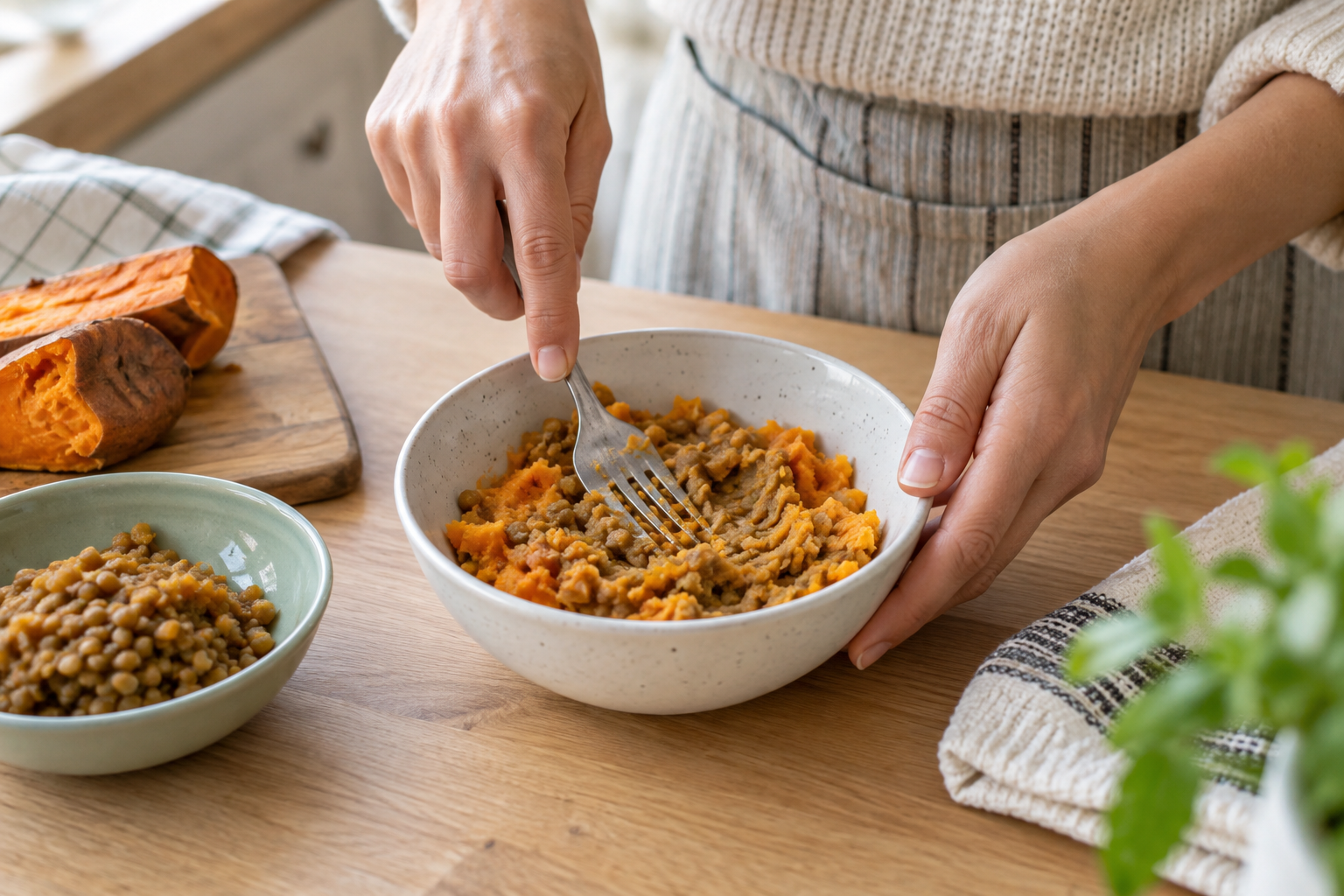
Combine one cup cooked soft sweet potato with one-half cup fully cooked lentils and one teaspoon olive oil. Mash together, adding warm water a tablespoon at a time until the mixture is soft rather than stiff. Serve with a small piece of familiar bread and an appropriate fruit preparation.
For a smoother version, blend the lentils before combining them. For a child comfortable with mixed textures, leave the sweet potato slightly chunky while keeping every piece soft. Add mild seasoning to the adult portion at the table.
Use canned lentils, drained and rinsed, when that is the practical option. If cooking dried lentils, follow their package instructions before adding them. The lunch should not depend on an extra cooking project during the busiest part of the day.
5. Deconstructed chicken-and-potato bowl
Start with one cup cooked potato, one-half cup finely shredded cooked chicken and one-half cup very soft cooked carrots. Warm the ingredients with a little water or suitable broth. Mash the potato lightly and serve the components beside each other.
This is useful when your child dislikes mixed food. You can offer chicken in a tiny separate portion and keep potato familiar. If the child wants the ingredients combined, let them show you rather than mixing the whole batch in advance.
For an adult lunch, add more chicken, seasoning and another vegetable. For a meat-free version, use mashed beans. Avoid using dry or tough meat pieces, even if they are cut small. Moisture and tenderness still matter.
6. Creamy avocado and bean toast
Mash one-quarter ripe avocado with one-quarter cup drained canned white beans and a small splash of water. Spread a thin layer on bread or toast prepared for your child's abilities. Offer a separate spoonful of the mash if bread with a topping is unfamiliar.
Make only what you need: avocado darkens and the finished toast is less appealing after storage. Keep ingredients separate until serving. You can substitute mashed cooked sweet potato for avocado if you want a milder flavor or do not have a ripe one.
Add soft cooked vegetables or prepared fruit on the side. This lunch does not need extra decorative toppings. Whole seeds, large raw vegetable pieces and hard garnishes can turn a manageable meal into a more difficult one.
7. Soft tofu and noodle bowl
Use one cup cooked short noodles, one-half cup soft tofu and one-half cup cooked zucchini. Heat the tofu and zucchini according to the tofu package directions, break them into suitable pieces and combine with the noodles and a little water. Cut long noodles to a manageable length.
Offer sauce separately if your child is still learning to accept it. A small amount of an already familiar sauce can be enough; this is not the time to introduce several new flavors at once. Check labels carefully because sauces may contain allergens.
If tofu is not suitable, use moist shredded chicken or mashed beans. Do not describe the meal as allergen-free: soy, wheat and other ingredients may need individual substitutions.
8. Savory oatmeal with egg or beans
Cook one-half cup rolled oats with the liquid amount and timing on the package. Stir in two tablespoons finely grated cheese, if suitable, and offer fully cooked scrambled egg or mashed beans alongside. Add a little warm water if the oats become too thick.
This is an option for a child who already likes porridge but needs a different lunchtime combination. Start with a familiar consistency rather than using oatmeal to hide a large quantity of vegetables. Soft cooked squash can be offered separately.
For adults, add herbs or stronger seasoning after serving the child's portion. If oats are unfamiliar, choose another lunch first; a practical plan should make your day easier, not create a new hurdle at every meal.
A five-day rotation using overlapping ingredients
This plan reuses components, not the same cooked batch for an entire week. Cook or thaw what you need for the relevant day, and follow the storage limits below.
Swipe horizontally to view the full table →
| Day | Main combination | Side | Preparation shortcut |
|---|---|---|---|
| Monday | Bean quesadilla | Soft zucchini | Mash beans while the skillet warms |
| Tuesday | Chicken pasta | Soft chopped broccoli | Reserve chicken from a recent dinner |
| Wednesday | Egg and toast | Soft pear | Cook only the eggs at lunchtime |
| Thursday | Sweet-potato lentil mash | Familiar bread | Use a safely thawed frozen portion |
| Friday | Chicken and potato | Soft carrots | Make a fresh small batch or thaw safely |
Repeat a lunch that works. A useful rotation can have three favorites, one variation and one flexible day. If the week changes, replace a planned lunch rather than forcing every ingredient into a meal before it spoils.
Shopping without overbuying
For the sample week, start by checking what dinner will already provide. You may only need small quantities of chicken, cooked vegetables and starches. Buy according to the number of people sharing lunch, not a rigid promise that one shopping list fits every family.
- Bases: small tortillas, a small packet of pasta, bread, potatoes and sweet potato.
- Proteins: eggs, canned white beans, cooked or fresh chicken and lentils.
- Produce: zucchini, broccoli, carrots, ripe pears and optional avocado.
- Extras: plain yogurt, grated cheese and olive oil, if suitable.
Frozen vegetables can reduce preparation work. Cook them following the package directions and adapt texture before serving. Use the remaining ingredients in adult meals so toddler lunch does not become a separate grocery budget.
A realistic preparation session
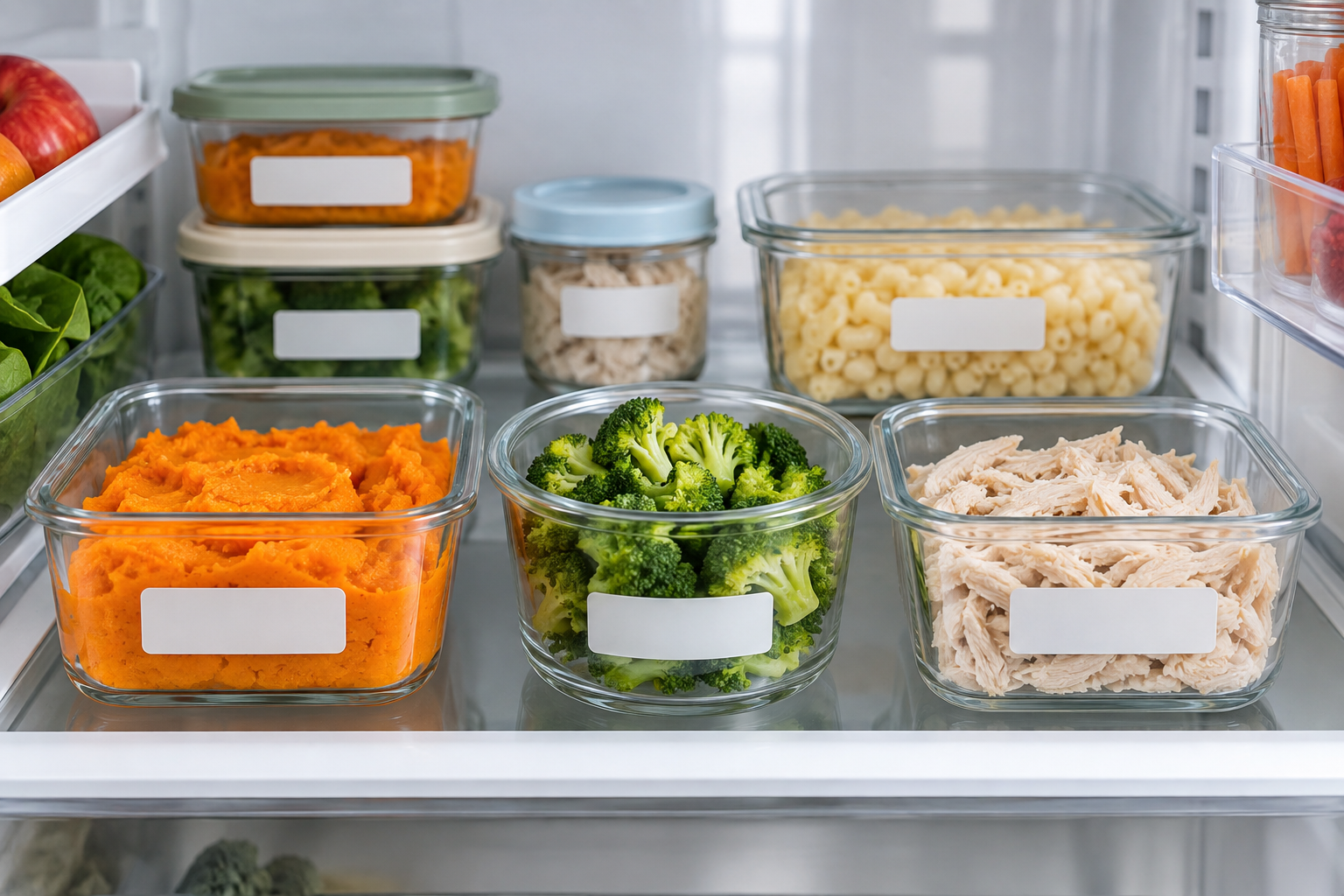
Choose two jobs, not eight. For example, cook sweet potato and prepare one batch of mashed beans. Label the containers with their preparation dates. Put intended later-week portions in the freezer promptly rather than hoping they will last in the refrigerator.
Keep wet spreads apart from bread and cooked pasta apart from delicate toppings. This lets you change the lunch without cooking again. Keep one backup meal available, such as eggs with toast, so an unfinished prep session does not derail the day.
Clean preparation matters too. Wash hands and work surfaces and keep ready-to-eat foods separate from raw meat. A tidy lunch station is useful only if the food stored in it remains safe.
Want help organizing the routine beyond individual recipes? Explore the 14-Day Picky Eater Plan to see whether its daily structure suits your family. It is an optional planning resource, not a substitute for feeding or medical advice.
Storage and reheating
Refrigerate perishable food promptly in shallow containers, within two hours, or one hour above 90°F/32°C. Keep the refrigerator at 40°F/4°C or below. These are the FoodSafety.gov chilling guidelines.
The cold storage chart gives cooked meat or poultry leftovers and cooked egg casseroles three to four days in the refrigerator. Do not treat every ingredient as having a new four-day life after mixing: follow the shortest applicable limit and product instructions.
Reheat leftovers to 165°F/74°C, as set out in the minimum-temperature chart. Stir, check the temperature, then allow the child's serving to cool. Keep untouched stored portions separate from the serving on the child's plate.
When lunch does not go as planned
The food comes back untouched
Look at one practical issue first: was it too dry, too mixed, too hot, or unfamiliar? Change that one detail at the next meal. You do not need to interpret a single lunch as a verdict on a recipe or your parenting. Offer familiar food alongside the planned meal without turning eating into a negotiation.
Your child accepts the ingredients separately
Use a deconstructed plate. Pasta, chicken and vegetables can remain separate and still be the same family meal. Try a tiny combined spoonful alongside the familiar presentation if appropriate, without requiring a taste.
You have almost no preparation time
Choose an assembly lunch using food already safely prepared. Do not select the recipe requiring the most chopping simply because it is on the calendar. Move that idea to another day and use the egg-and-toast or mashed-bean option instead.
Eating regularly seems painful or difficult
Seek advice from your child's healthcare professional for ongoing swallowing difficulties, recurrent choking, pain, growth concerns or a persistently very restricted intake. A recipe rotation cannot assess or treat a feeding problem.
Frequently asked questions
Does every lunch need meat?
No. The combinations here also use eggs, beans, lentils and tofu where suitable. Choose ingredients your child can eat and prepare them appropriately. For individual nutrition questions or restricted diets, ask a qualified professional rather than assuming every swap is nutritionally identical.
Can I serve breakfast food at lunch?
Yes: fully cooked egg with toast or savory oats can be a practical midday option. Add an appropriate side and adjust the amount offered to your child. There is no need for a special lunch recipe every day.
Can I pack these for daycare?
Some may adapt well, but this guide is written for home lunches. Ask the setting about refrigeration, reheating, allergens and supervision first. For a school-packing approach, see lunch ideas for kindergarteners, adapting foods for your younger child's abilities.
What should I try tomorrow?
Choose the option requiring the fewest new ingredients. Make one lunch, note a useful texture adjustment and repeat it before building a larger rotation. For a more structured next step, view the 14-Day Picky Eater Plan and review what it includes before deciding.